Ancient Chinese Fossils Reveal Complex Life Emerged Millions of Years Earlier
Groundbreaking fossil discoveries from China are fundamentally reshaping our understanding of when complex life first evolved on Earth. The remarkable finds, unearthed in the Jiangchuan Biota of Yunnan province, suggest that sophisticated multicellular organisms appeared millions of years earlier than the scientific community once believed.
A Glimpse into Deep Time
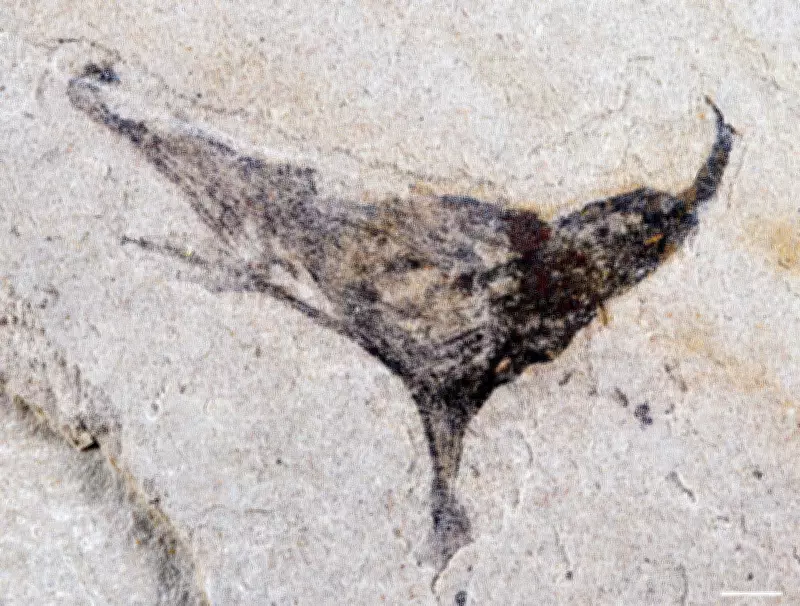
The fossils, which include a distinctive goblet-shaped specimen, represent early species from a group that encompasses modern jellyfish, sea anemones, and corals. These ancient organisms thrived in primordial seas, leaving behind impressions that have survived for eons. The preservation quality and morphological complexity of these fossils provide unprecedented insights into the early stages of evolutionary history.
Previously, the timeline for the emergence of such complex life was based on fossil records from other global sites, which pointed to a later diversification. This new evidence from China compellingly pushes that timeline back, indicating that the biological processes leading to intricate life forms began operating much sooner in Earth's geological past.

Implications for Evolutionary Science
This discovery carries profound implications for the field of paleontology and our comprehension of life's narrative. It challenges established models of evolutionary pacing and suggests that the conditions necessary for complex life may have arisen earlier than hypothesized. Researchers are now re-examining other fossil beds and geological strata with renewed vigor, questioning whether similar early evidence might have been overlooked or misinterpreted.
The Jiangchuan Biota fossils act as a critical calibration point for the molecular clock—a technique used to estimate evolutionary timescales based on genetic mutation rates. Adjusting this clock could lead to revised dates for countless other evolutionary events, from the divergence of major animal groups to the colonization of land.
The meticulous study of these specimens is ongoing, with international teams collaborating to analyze their cellular structures and ecological context. Each fossil is a time capsule, offering clues about the environment, climate, and biological interactions of a world long vanished.
A New Chapter in Paleontological Research
These findings underscore the importance of continued exploration in regions like Yunnan, known for their rich fossil deposits. They also highlight how a single discovery can overturn decades of scientific consensus, reminding us that our knowledge of the deep past is always evolving. As technology advances, allowing for more detailed imaging and chemical analysis, even older and more enigmatic fossils may come to light, further rewriting the story of life on our planet.
The research, initially reported by CNN, represents a significant leap forward in understanding the origins of biological complexity. It opens new avenues for investigating the triggers and mechanisms that allowed simple life forms to evolve into the diverse and intricate ecosystems we see today.