In a high-stakes courtroom drama with far-reaching implications for the tech industry, Meta CEO Mark Zuckerberg took the stand to defend his company's policies against censorship. The landmark consumer protection trial, centered on whether social media platforms deliberately addict and harm children, saw Zuckerberg assert his resistance to calls for increased content moderation.
A Pivotal Testimony in Los Angeles
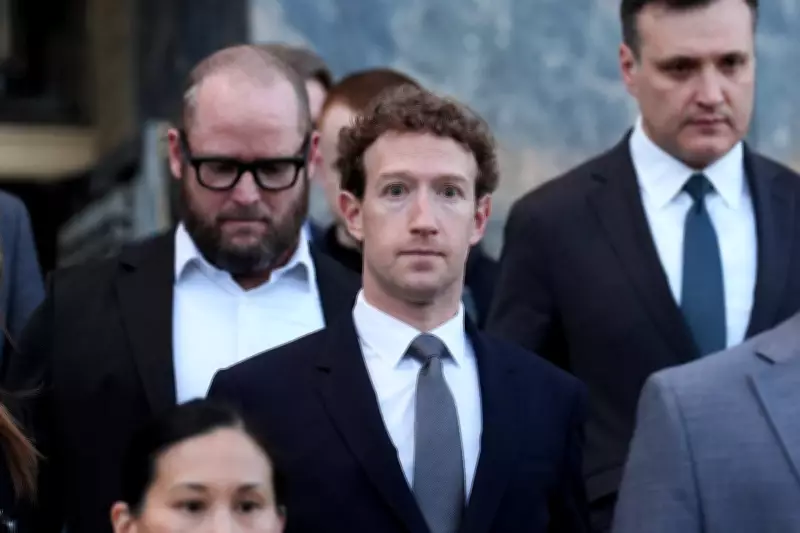
Zuckerberg testified on Wednesday, February 18, 2026, in Los Angeles, leaving the courthouse under intense media scrutiny. The trial represents one of the most significant legal challenges to social media giants, probing the ethical boundaries of platform design and user engagement. Prosecutors argue that companies like Meta have knowingly created addictive environments that negatively impact young users' mental health.
The Core of Zuckerberg's Defense
During his testimony, Zuckerberg emphasized that he consistently resisted pressure to implement more aggressive censorship measures on Meta's platforms, which include Facebook, Instagram, and WhatsApp. He framed this stance as a defense of free expression and user autonomy, suggesting that overzealous moderation could stifle legitimate discourse and innovation.

However, critics counter that this position prioritizes corporate interests over child safety, alleging that algorithms are optimized for engagement at the expense of well-being. The trial has highlighted a growing societal debate: where should the line be drawn between protecting vulnerable users and preserving open digital spaces?
Broader Context and Industry Impact
This case unfolds against a backdrop of increasing regulatory scrutiny worldwide. Governments and advocacy groups are pushing for stricter oversight of social media, citing studies linking platform use to rising rates of anxiety, depression, and other mental health issues among youth. Zuckerberg's testimony is seen as a bellwether for how tech leaders might navigate these pressures in future legal battles.
The outcome could set precedents for liability and responsibility in the digital age, potentially reshaping content policies across the industry. As the trial continues, stakeholders from parents to policymakers are watching closely, aware that the verdict may influence everything from school guidelines to international tech regulations.