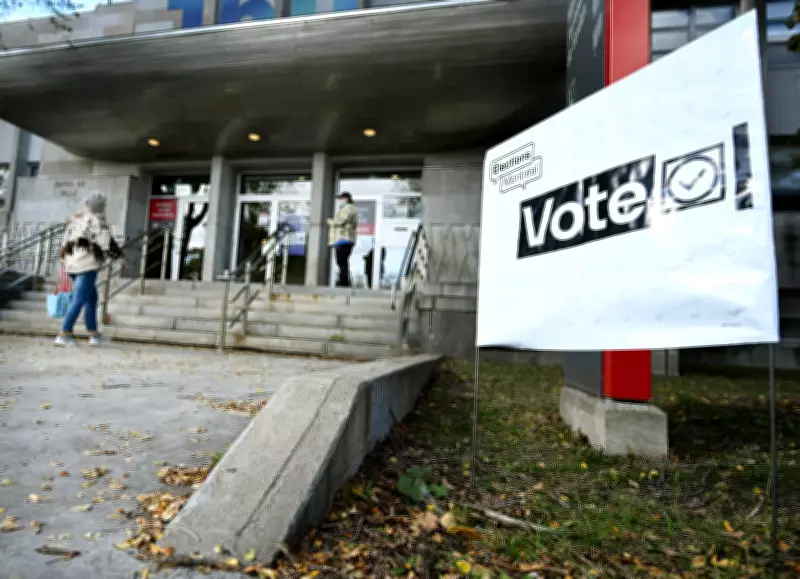
Quebec Electoral Officer Advocates for Enhanced AI Legislative Oversight
The Quebec electoral officer has issued a compelling call for improved legislative oversight of artificial intelligence within the electoral process. This appeal highlights growing concerns about the potential impacts of AI technologies on election integrity and democratic procedures in the province.
Risks and Challenges in Modern Elections
As artificial intelligence becomes increasingly integrated into various sectors, its application in elections poses significant risks. These include the potential for AI-driven misinformation campaigns, automated voter manipulation, and biases in electoral data analysis. The electoral officer emphasizes that current regulations may not adequately address these emerging threats, necessitating a proactive legislative response.
In a statement, the officer noted, "The rapid advancement of AI technologies requires us to reassess our electoral frameworks to ensure they remain robust and transparent." This sentiment reflects a broader global trend where electoral bodies are grappling with the dual challenges of technological innovation and regulatory lag.

Proposed Measures for Strengthening Oversight
To mitigate these risks, the electoral officer has proposed several key measures:
- Enhanced Transparency: Mandating disclosure of AI tools used in electoral campaigns to promote accountability.
- Strict Regulations: Implementing clear guidelines on the use of AI in voter targeting and communication.
- Independent Audits: Establishing mechanisms for regular audits of AI systems to detect and prevent misuse.
- Public Education: Launching initiatives to inform voters about AI's role in elections and how to identify potential manipulations.
These proposals aim to create a more secure electoral environment, balancing innovation with the protection of democratic principles. The officer stressed that collaboration with technology experts, lawmakers, and civil society is crucial to developing effective oversight frameworks.
Context and Implications for Quebec
This call for action comes at a time when Quebec, like many regions, is witnessing rapid technological changes. Recent elections have seen increased use of digital tools, underscoring the urgency of updating legislative measures. The electoral officer's recommendations are expected to influence upcoming policy discussions, potentially leading to new laws or amendments to existing electoral codes.
Furthermore, this move aligns with broader efforts in Canada to address AI governance, as seen in federal initiatives on digital policy. By taking a proactive stance, Quebec aims to set a precedent for other provinces in managing AI's electoral impacts.
In conclusion, the Quebec electoral officer's appeal for better legislative oversight of artificial intelligence marks a critical step toward safeguarding electoral integrity. As AI continues to evolve, ongoing vigilance and adaptive regulations will be essential to maintain trust in democratic processes.