OpenAI Partners with Defense Firms for U.S. Military Drone Swarm Voice Control
OpenAI has entered into a partnership with two defense technology companies that have been selected by the Pentagon to compete in developing voice-controlled software for autonomous drone swarms for the United States military. This collaboration, confirmed by multiple sources familiar with the matter, marks a significant expansion of OpenAI's involvement in defense applications, despite previous statements from CEO Sam Altman downplaying such military engagements.
Voice Command Translation Without Weapon Control
According to two individuals with knowledge of the arrangement, OpenAI's technology will be utilized exclusively to translate voice commands from battlefield commanders into digital instructions for drones. The company's systems will not be employed for operating the drone swarm, integrating weapons, or making targeting decisions. All sources requested anonymity due to the sensitive nature of the undisclosed information.
This initiative is part of a $100 million Pentagon prize challenge announced in January, aimed at delivering prototypes for technology capable of commanding swarms of drones that can make autonomous decisions and execute missions without human intervention. The six-month competition will proceed in phases, contingent on the success and interest of the participants involved.

OpenAI's Limited Role and Ethical Considerations
OpenAI's logo appears on at least two of the successful contest submissions, though the specific defense-tech partners have not been publicly identified. The company has not finalized its level of participation or solidified arrangements with the involved firms. Only the open-source version of OpenAI's model will be provided, rather than its most advanced systems, with potential installation support also on offer.
A spokesperson for OpenAI clarified that the company did not submit its own bid for the prize and its involvement in the challenge will be minimal. Other AI companies have directly submitted bids to participate in the drone swarm contest, though their identities remain unknown.
Military Expansion and Previous Statements
This development reveals that OpenAI's defense work is poised to broaden beyond the military's current use of its tools. Earlier this week, the Pentagon announced a partnership with OpenAI to make ChatGPT available to three million Defense Department personnel.
In April of last year, CEO Sam Altman expressed reservations about assisting the Pentagon in developing AI-enabled weapons platforms. "I don't think most of the world wants AI making weapons decisions," he stated at a conference on modern conflict, adding that he did not anticipate the company would engage in such activities in the foreseeable future. However, Altman left the door open, noting, "I will never say never, because the world could get really weird."
Technical Challenges of Drone Swarm Development
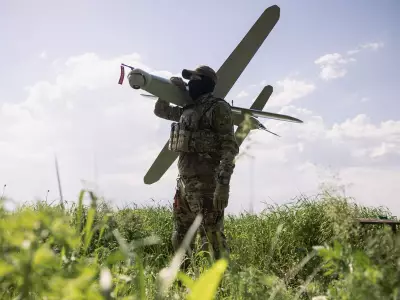
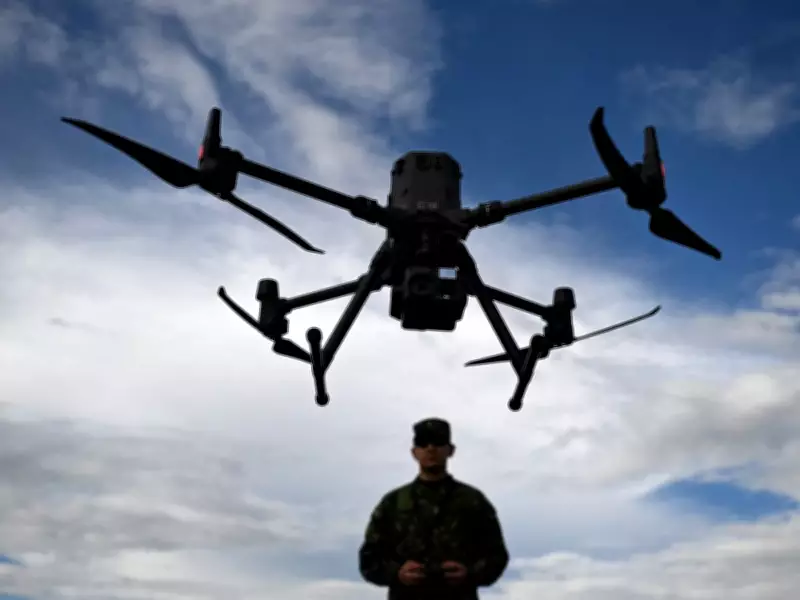
While it is already feasible to fly multiple drones simultaneously, creating software to direct numerous drones on sea and in the air as a cohesive swarm—capable of moving autonomously in pursuit of objectives—remains a formidable technical hurdle. The integration of chatbots and voice-to-text commands into weapons platforms has raised alarms even among some defense officials, highlighting the ethical and operational complexities of such advancements.
Special Operations Command, which oversees the Defense Autonomous Warfare Group (DAWG), declined to comment on the matter. The Defense Innovation Unit, which jointly launched the prize challenge with DAWG, did not respond to requests for comment.