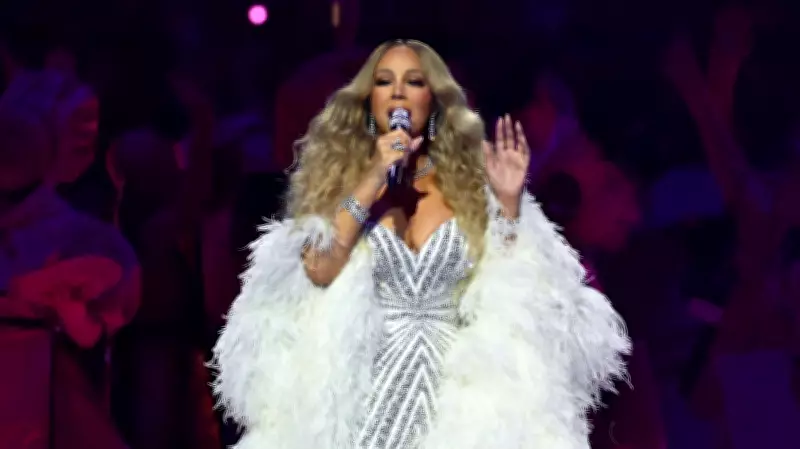
Mariah Carey's Italian Rendition of 'Volare' Divides Audiences at Milan Winter Olympics
At the Winter Olympics Opening Ceremony held in Milan on Friday, global music icon Mariah Carey took to the stage to perform the timeless Italian song "Volare." Delivering the classic in its native language, Carey's performance has ignited a whirlwind of reactions, ranging from enthusiastic praise to pointed criticism. The event, set against the backdrop of the iconic San Siro stadium, was intended to be a highlight of the ceremony, yet it has instead become a topic of intense debate among viewers and critics.
Polarized Reviews Highlight Cultural and Artistic Tensions
Initial responses to Carey's performance were notably mixed, with some audience members expressing sheer amazement while others questioned the artistic choice. One critic notably exclaimed an "OMG" but humorously suggested needing "a toke" to process the moment, perhaps indicating the performance's overwhelming nature. Conversely, another reviewer labeled the rendition as "unsuitable," criticizing the rhythm and overall execution. A recurring theme among detractors was the query: with Italy boasting a wealth of talented singers, why was an American artist selected for such a culturally significant piece? This sentiment echoes broader discussions about authenticity and representation in global events.
Social Media Erupts with Diverse Opinions
The digital sphere quickly became a battleground for opinions following the performance. On platform X, user Anarie Whit tweeted, "OMG Mariah Carey singing Volare at the Olympic Opening Ceremonies? Time for a toke break...," capturing the surreal reaction of many. Meanwhile, Lili questioned, "So none of the really famous Italian musicians wanted to sing Volare at the Olympics? No one? Just Mariah Carey?" highlighting the cultural appropriation concerns. Not all feedback was negative, however. Panagiotios praised Carey, calling her version "Beautiful" and noting that her voice is "unmatched," despite acknowledging some nervousness. Another user, Ash, described it as "the high-fashion, high-vocal moment the Winter Olympics needed," emphasizing the performance's glamour and vocal prowess.

Carey's Signature High Note Shines Amidst Controversy
Despite the divided reception, Mariah Carey did deliver a moment of undeniable vocal brilliance during her set. In an otherwise restrained performance, she powerfully belted out her signature high note while singing her hit song "Nothing Is Impossible." This display of her legendary vocal range served as a reminder of her status as a music industry titan and provided a highlight that some fans argued was worth the price of admission alone. The contrast between this peak moment and the contentious "Volare" performance further fueled discussions about her artistic versatility and the expectations placed on international performers at such prestigious events.
Broader Implications for Olympic Ceremonies
The controversy surrounding Mariah Carey's "Volare" performance raises important questions about the curation of Olympic opening ceremonies. As global spectacles, these events often strive to balance cultural homage with international appeal. The choice to feature a non-Italian artist for a quintessentially Italian song has sparked debates about inclusivity, artistic merit, and the role of celebrity in these ceremonies. Some argue that it was a bold, inclusive move that celebrated cross-cultural exchange, while others see it as a missed opportunity to showcase local talent. This incident may influence future Olympic committees in their selection of performers, emphasizing the need for sensitivity to cultural context and audience expectations.
Conclusion: A Performance That Will Be Remembered
In summary, Mariah Carey's rendition of "Volare" at the Milan Winter Olympics Opening Ceremony has proven to be a polarizing yet unforgettable moment. From social media critiques to professional reviews, the performance has ignited conversations about music, culture, and identity on a global stage. Whether viewed as a misstep or a masterpiece, it underscores the powerful impact of live performances in shaping public discourse during major international events. As the Olympics continue, this episode will likely be remembered as a defining, if controversial, highlight of the 2026 Winter Games.