Elon Musk Merges xAI with SpaceX in Ambitious Push for Orbital Data Infrastructure
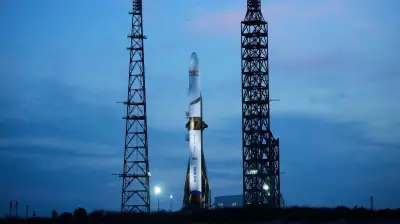
In a strategic move that underscores his vision for the future of technology and space exploration, Elon Musk has announced the integration of his artificial intelligence startup, xAI, with aerospace giant SpaceX. This merger is specifically aimed at accelerating the development of sophisticated data centers in space, a concept that could revolutionize computing, telecommunications, and data storage by leveraging the unique advantages of the orbital environment.
Strategic Integration to Harness Space-Based Computing
The decision to merge xAI into SpaceX represents a significant consolidation of Musk's technological ventures, blending cutting-edge AI research with advanced spaceflight capabilities. By combining resources, the initiative seeks to overcome the technical and logistical challenges associated with deploying and maintaining data infrastructure beyond Earth's atmosphere. This approach could potentially offer benefits such as reduced latency for global communications, enhanced data security through isolated environments, and access to vast solar energy resources in space.
Potential Impacts on Technology and Industry
This merger positions SpaceX at the forefront of the emerging space economy, potentially creating new markets for space-based services. The development of space data centers could support applications ranging from real-time Earth observation and climate monitoring to powering next-generation AI models with unprecedented computational power. Industry analysts suggest that this move may spur competition and innovation in both the aerospace and tech sectors, as other companies explore similar ventures to capitalize on the growing demand for high-performance, resilient data solutions.

Challenges and Future Prospects
While the vision is ambitious, it faces considerable hurdles, including the high costs of space launches, the need for robust radiation shielding, and the complexities of remote maintenance. However, Musk's track record with SpaceX in reducing launch expenses and advancing reusable rocket technology provides a foundation for optimism. If successful, this project could pave the way for a new era of space infrastructure, transforming how data is processed and stored on a global scale.