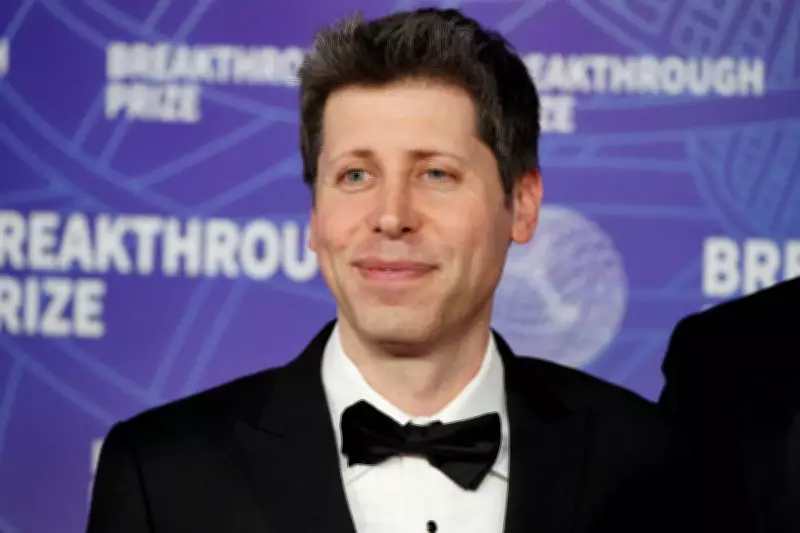
Elon Musk and OpenAI CEO Sam Altman are set to face off in a high-stakes courtroom showdown over the future of artificial intelligence. The legal battle, which began on April 27, 2026, has drawn significant attention from the tech industry and beyond, as it could shape the direction of AI development and regulation.
The Core of the Dispute
The lawsuit centers on allegations that OpenAI has strayed from its original nonprofit mission of developing AI for the benefit of humanity. Musk, a co-founder of OpenAI who left the organization in 2018, claims that the company has become too commercially focused and has breached its founding principles. OpenAI, on the other hand, argues that its shift to a capped-profit model was necessary to secure funding for advanced AI research and that it remains committed to its mission.
Key Arguments
- Musk's Position: Musk asserts that OpenAI's partnership with Microsoft and its commercial ventures violate the original agreement to keep AI technology open and accessible. He seeks to force the company to return to its nonprofit roots.
- OpenAI's Defense: OpenAI maintains that its structure allows it to raise capital for expensive AI projects while still prioritizing safety and ethical considerations. The company argues that Musk's lawsuit is a strategic move to hinder a competitor.
Implications for the AI Industry
The outcome of this case could set a precedent for how AI companies balance profit and public benefit. If Musk wins, it may lead to stricter regulations on AI commercialization. Conversely, a victory for OpenAI could reinforce the legitimacy of hybrid nonprofit-for-profit models in tech.

Reactions and Analysis
Industry experts are closely watching the proceedings. Some believe the lawsuit could slow down AI innovation, while others see it as a necessary check on corporate power. The case also highlights growing tensions between tech billionaires over the direction of AI.
As the trial unfolds, both sides are expected to present extensive evidence and expert testimony. The judge has scheduled the trial to last several weeks, with a verdict anticipated by mid-2026.