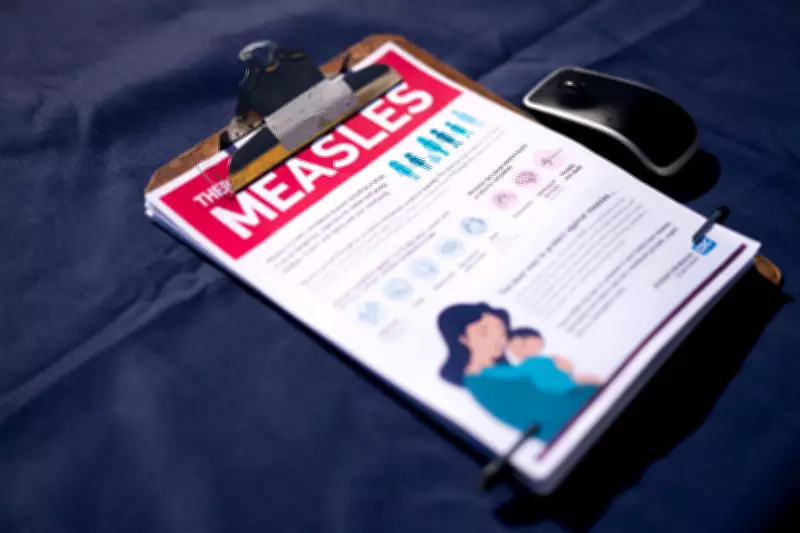
A record-breaking measles outbreak in the United States has officially ended, and health officials say it may have contributed to a notable increase in measles, mumps, and rubella (MMR) vaccination rates. While the conclusion of the outbreak and the uptick in immunizations are encouraging signs, experts caution that sustained efforts are needed to prevent future outbreaks of measles and other vaccine-preventable diseases.
Outbreak Details and Impact
The outbreak, which began in early 2025, was the largest in the U.S. since measles was declared eliminated in 2000. It resulted in over 1,200 confirmed cases across 20 states, with the majority occurring in under-vaccinated communities. Hospitalizations were frequent, and there were several deaths, primarily among unvaccinated children and immunocompromised individuals.
Public health authorities, including the Centers for Disease Control and Prevention (CDC), worked tirelessly to contain the spread through contact tracing, quarantine measures, and public awareness campaigns. The outbreak prompted many parents to seek vaccination for their children, leading to a surge in MMR vaccine demand.

Vaccination Rate Increases
Preliminary data from the CDC indicate that MMR vaccination coverage among children aged 19 to 35 months rose by approximately 5% during the outbreak period, reversing a downward trend seen in previous years. This increase is attributed to heightened awareness of the risks of measles and the effectiveness of vaccines.
“The outbreak served as a stark reminder of the importance of vaccination,” said Dr. Emily Carter, an epidemiologist at the University of California, San Francisco. “Many parents who were previously hesitant saw firsthand the consequences of low vaccination rates and chose to protect their children.”
Challenges Remain
Despite the positive developments, experts warn that the fight against measles is far from over. Vaccination rates remain below the 95% threshold needed for herd immunity in many communities, leaving them vulnerable to future outbreaks. Vaccine misinformation continues to circulate online, and some areas face logistical barriers to accessing immunizations.
“We cannot become complacent,” said Dr. Anthony Fauci, former director of the National Institute of Allergy and Infectious Diseases. “The end of this outbreak is a victory, but it is not a permanent solution. We must continue to invest in public health infrastructure, combat misinformation, and ensure equitable access to vaccines.”
Global Context
The U.S. outbreak was part of a global resurgence of measles, driven by declining vaccination rates in many countries. The World Health Organization reported a 30% increase in measles cases worldwide in 2025 compared to the previous year. International health agencies are urging governments to strengthen routine immunization programs and respond swiftly to outbreaks.
Looking Ahead
Health officials are now focusing on sustaining the momentum gained during the outbreak. Initiatives include community outreach programs, school-based vaccination clinics, and partnerships with healthcare providers to identify and address vaccine hesitancy.
“The gains we have made are fragile,” said Dr. Carter. “We need to build trust in vaccines and ensure that every child has the opportunity to be protected. The end of this outbreak is not the end of the story; it is a call to action.”
As the U.S. moves forward, the lessons learned from this outbreak will be critical in preventing future epidemics. The hope is that the combination of increased vaccination rates and improved public health preparedness will keep measles at bay.