BC Launches Groundbreaking AI-Powered 'Track and Trace' System to Combat Toxic Drug Supply
A pioneering pilot project in British Columbia is deploying cutting-edge chemical analysis and artificial intelligence technology to trace the origins of illegal drugs and monitor the evolving toxic supply on provincial streets. The innovative "track and trace" initiative represents a significant advancement in law enforcement capabilities against organized crime networks.
Police Compare System to DNA Testing Breakthrough
Victoria Police Chief Fiona Wilson has drawn a compelling parallel between this new technology and the revolutionary impact of DNA testing on modern policing. "This initiative begins to change our approach by analyzing the unique chemical fingerprints of illicit drugs," Wilson explained. "We will be able to compare samples across time and across jurisdictions in ways previously impossible."
The police chief emphasized that the system will enable law enforcement to better target organized crime by identifying production facilities where illicit substances are manufactured. Currently, authorities struggle to reliably determine whether drugs found in different communities originate from the same source or link overdose trends to supply changes quickly enough to intervene effectively.

How the Technology Works
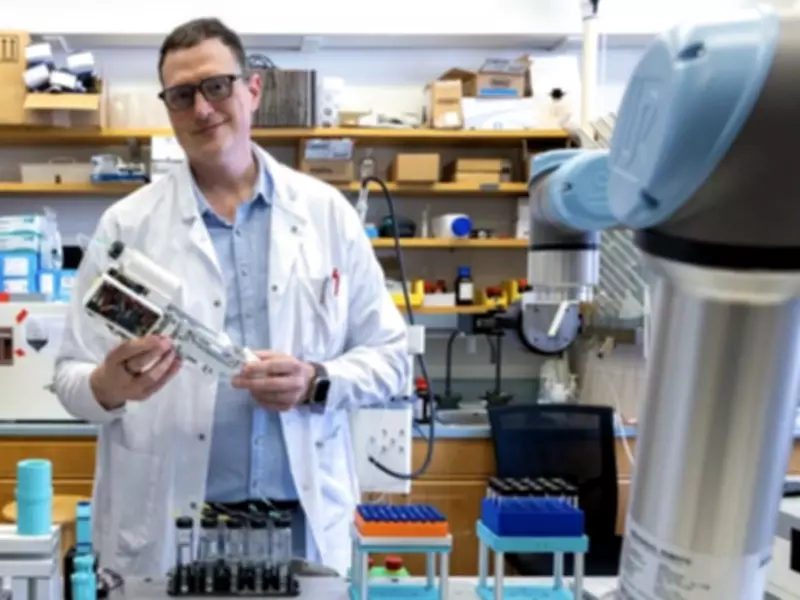
The two-year, $600,000 pilot project represents a collaborative partnership between Aidos Innovations, University of British Columbia researchers, and multiple police departments across the province. Unlike conventional drug-checking technologies that merely identify substances, this system employs robotic equipment to detect a broad spectrum of chemicals within drug samples.
Matthew Roberts, managing director of Aidos Innovations, detailed the sophisticated process: "We can actually back calculate the method of production. The system doesn't just identify drugs but uses a robot to detect chemicals, which allows artificial intelligence to calculate the 'recipe' that makes up particular batches of drugs."
This advanced analysis enables authorities to reconstruct production methods and anticipate how harmful drug supplies are evolving across different communities, providing unprecedented intelligence about the movement and composition of illicit substances.
Focus on Organized Crime, Not Individual Users
Public Safety Minister Nina Krieger clarified the program's strategic focus: "Track and trace does not just identify what a substance is. It helps us understand how it is made and where it is likely to move next by combining chemical analysis with a growing data platform."
Krieger emphasized that the initiative specifically targets organized crime operations rather than tracking or criminalizing individuals who use drugs. This distinction aligns with broader public health approaches to substance use while maintaining pressure on criminal networks profiting from the toxic drug trade.
Public Health Implications and Criticisms
Health Minister Josie Osborne highlighted the potential life-saving benefits of better drug supply knowledge for first responders. "Having better knowledge of the drug supply will help first responders by providing greater clarity about what toxic additives could be in somebody's system," Osborne stated, noting this could potentially allow emergency personnel to save more lives through more targeted interventions.
The initiative arrives against a grim backdrop: in the decade since British Columbia declared the toxic drug crisis a public health emergency, over 18,000 residents have died from overdoses or toxic drug poisoning. While toxic drug deaths decreased in 2025, the government has observed an alarming uptick in toxic additives such as benzodiazepines in 2026, which can render life-saving measures like naloxone less effective.
Critics of the provincial government acknowledge that better tracking the flow of drugs represents a positive step but argue the measure is long overdue given the scale and duration of the crisis. The pilot project's success could establish a new standard for drug enforcement intelligence while providing crucial data to address one of British Columbia's most persistent public health challenges.