France Declines Immediate World Cup Boycott Over Greenland Matter
French officials have indicated that the nation is not presently considering a boycott of the upcoming FIFA World Cup in relation to issues concerning Greenland. This decision comes amidst a complex backdrop of international sports diplomacy and geopolitical considerations that often intersect with major global sporting events.
Context of Global Sports and Politics
The relationship between international sports and political discourse has long been a subject of intense scrutiny. Major tournaments like the FIFA World Cup frequently become platforms where geopolitical tensions, territorial disputes, and diplomatic stances are indirectly addressed or protested by participating nations. The specific context involving Greenland—a vast autonomous territory within the Kingdom of Denmark—adds a layer of complexity to France's current position.
While the exact nature of the Greenland-related concerns prompting potential boycott discussions has not been fully detailed in public statements, it is understood to involve broader geopolitical or environmental considerations that some nations may view as significant enough to warrant athletic protest. France's decision to refrain from a boycott for the time being suggests a calculated diplomatic approach, weighing the impact of such an action against the desire to compete on soccer's grandest stage.

The FIFA World Cup as a Diplomatic Arena
The FIFA World Cup is more than just a premier international soccer competition; it is a potent symbol of global unity and a forum for soft power. Hosting and participating in the tournament carries substantial economic, cultural, and political weight. The 2026 edition, to be held across Canada, the United States, and Mexico, is already shaping up to be a landmark event with significant implications for international relations.
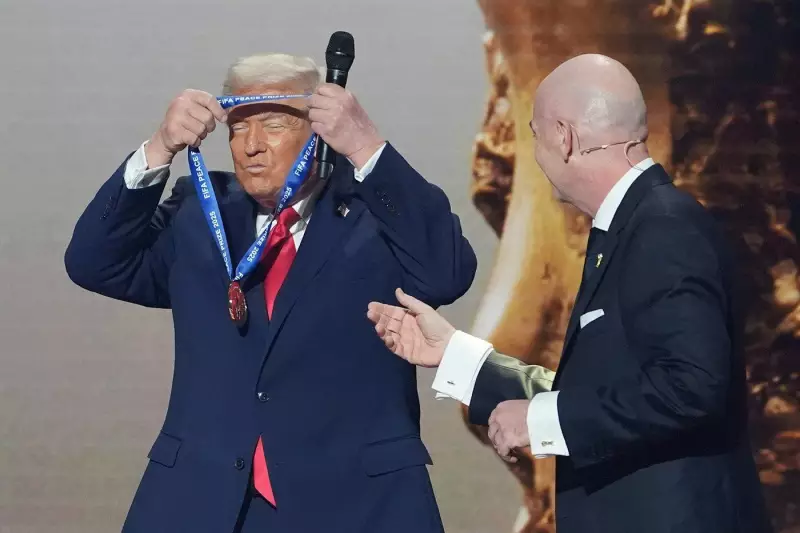
Recent events, such as the presentation of the inaugural FIFA Peace Prize to former U.S. President Donald Trump during the 2026 World Cup draw in Washington, D.C., underscore the intertwined nature of sports and high-level diplomacy. Such moments highlight how the tournament can serve as a stage for recognizing political figures and fostering dialogues around peace and international cooperation, even as controversies simmer.
France's stance appears to prioritize engagement over isolation, at least in the immediate term. By choosing not to boycott, the French soccer federation and government are likely aiming to maintain influence within FIFA and the international sports community, while continuing to advocate for their positions through other diplomatic channels. This approach allows the national team to prepare for competition without the disruption and political fallout that a boycott would entail.
Looking Ahead: Potential for Future Action
It is crucial to note that France's position is described as "for now," leaving open the possibility of reassessment should circumstances evolve. The situation regarding Greenland and other geopolitical factors remains fluid, and national stances on sports participation can shift in response to new developments or escalating tensions.
The coming months will be critical in observing whether other nations express similar concerns or if France's position remains an isolated one. The decision also places focus on how FIFA manages geopolitical sensitivities leading up to the 2026 tournament, balancing its role as a global sports governing body with the complex political realities of its member associations.
Ultimately, France's current refusal to pursue a World Cup boycott reflects a strategic choice within the high-stakes world of international sports diplomacy. It underscores the careful calculus nations undertake when athletic competition and political principle converge on the world's most watched sporting stage.