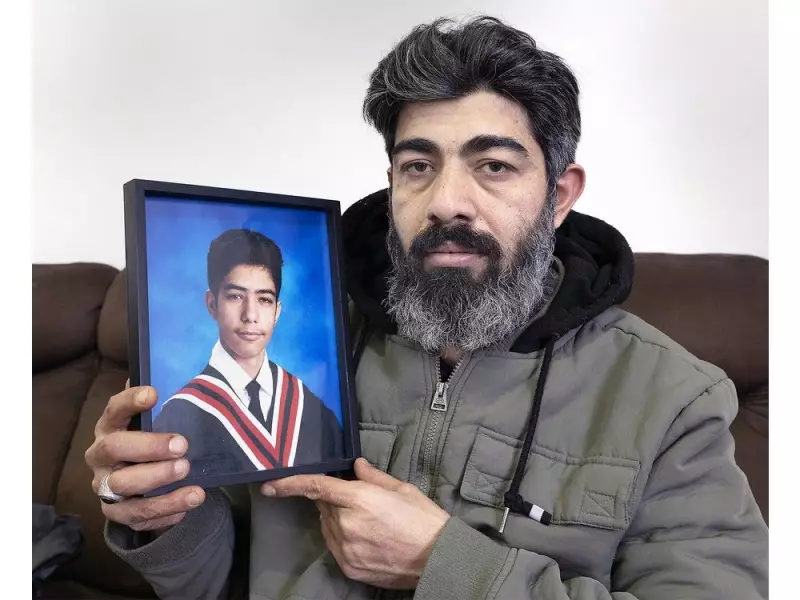
Father Files $5 Million Lawsuit Against City of Windsor Over Teen's Tragic Drowning
The father of a 15-year-old boy who drowned in the Detroit River near Windsor's Sand Point Beach last spring has initiated a substantial $5 million civil lawsuit against the City of Windsor. Mohammed Al Torkmani, grieving the loss of his son Abed, alleges in court documents that municipal failures directly led to the tragic incident that occurred in May 2025.
Allegations of Municipal Negligence and Inadequate Safety Measures
A statement of claim filed in the Superior Court of Justice in Windsor presents serious allegations against the city. The legal document contends that Windsor authorities failed to prevent access to what they knew were hazardous waters. Specifically, the lawsuit points to what it describes as inadequate signage, insufficient fencing, and flawed buoy systems that allegedly contributed to the teenager's death.
"But for the city's negligence, Abed Al Torkmani would not have drowned and died," the lawsuit filed this month on behalf of the father explicitly states. The legal action represents a significant challenge to the city's management of waterfront safety at one of Windsor's most popular recreational areas.

Details of the Tragic Incident and Emergency Response
According to court documents, the tragedy unfolded on the afternoon of May 18, 2025. Fifteen-year-old Abed Al Torkmani visited the area with a friend and entered the water at the western side of Sand Point Beach. The legal claim describes this as "an area known by the city to be hazardous due to undertow and strong currents." At approximately 3:20 p.m., the teen failed to resurface, triggering a massive emergency response.
The friend managed to swim back to shore and contacted emergency services. Multiple agencies responded immediately, including Windsor police, the Ontario Provincial Police dive team, and even the United States Coast Guard. Despite their efforts, Al Torkmani's body was not recovered from the river until the following day, marking a devastating conclusion to the search operation.
Historical Context of Safety Concerns at Sand Point Beach
This tragic incident represents the ninth swimming fatality near Sand Point Beach since the popular warm-weather destination on Riverside Drive opened in 1986. The area has long presented specific dangers, with a steep drop-off to a Great Lakes shipping channel located just west of the safe swimming area marked by buoys. This geographical feature creates hazardous conditions that have concerned safety advocates for decades.
Following Al Torkmani's drowning, Windsor City Council took decisive action in June, voting unanimously to close the beach pending a coroner's investigation. Ontario's coroner subsequently recommended that the Lifesaving Society—a charitable organization dedicated to preventing drownings and water-related injuries—conduct a comprehensive safety audit of the location.
Municipal Response and Ongoing Safety Review
In response to inquiries about the lawsuit, Michael Janisse, senior manager of communications, public relations, and customer service for the City of Windsor, declined to comment specifically on the legal action. "The City of Windsor does not comment on matters as they are being litigated," Janisse wrote in an email to the Windsor Star.
As of Wednesday, January 21, 2026, no statement of defence had yet been filed in court by municipal representatives. Meanwhile, safety assessments continue, with Michael Chantler, commissioner of human and health services, reporting at city council's most recent meeting on January 12 that the Lifesaving Society conducted a "full analysis and on-site inspection" on December 10. The organization met with city staff and the Port Windsor harbour master, and a comprehensive report for city council is currently being prepared.
This lawsuit raises significant questions about municipal responsibility for waterfront safety, the adequacy of warning systems at public beaches, and the balance between public access and risk management at natural recreational areas. The outcome may establish important precedents for how Canadian municipalities address water safety at publicly accessible waterfront locations.