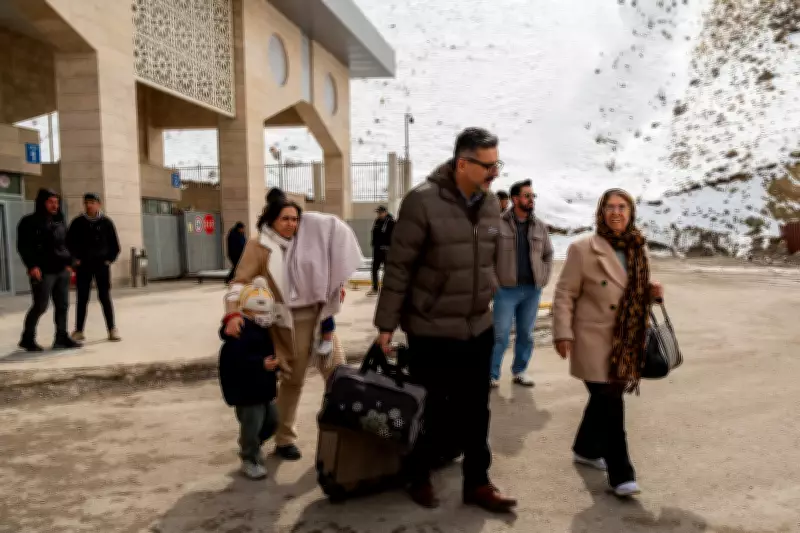
At the Kapikoy border crossing, a critical juncture between Turkey and Iran, a poignant scene unfolds as hundreds of families, including numerous Canadians, have gathered in a desperate bid for safety and reunion. Adrian Ghobrial reports from the ground, capturing the human toll of the escalating conflict in the Middle East, which has forced many to flee their homes and seek refuge across borders.
A Glimmer of Hope Amidst Turmoil
For these families, the border represents not just a geographical divide but a fragile lifeline. Many Canadians are among those waiting anxiously, their eyes fixed on the crossing in hopes of spotting loved ones emerging from the conflict zone. The emotional weight is palpable, with stories of separation and resilience echoing through the crowd. "It makes us human," one individual remarked, underscoring the deep-seated need for connection and security in times of crisis.
The Humanitarian Impact
The influx of refugees at the Kapikoy crossing highlights the broader humanitarian crisis triggered by the Iran war. As families flee violence and instability, they face uncertain futures, with many relying on international aid and the support of diaspora communities. The situation is compounded by logistical challenges, including long wait times and bureaucratic hurdles, which can delay reunions and exacerbate stress for those awaiting news.

In addition to the personal stories, the conflict has ripple effects beyond the border. For instance, the war is expected to impact global supply chains, particularly in agriculture, potentially driving up costs for farming operations and groceries worldwide. This economic dimension adds another layer of complexity to the crisis, affecting not only those directly involved but also consumers far from the conflict zone.
Broader Context and Responses
The border situation occurs against a backdrop of international tensions and domestic political debates. In Canada, political figures like Pierre Poilievre have criticized Prime Minister Carney for his absence during discussions on the Iran war, calling for more robust governmental engagement. Meanwhile, global markets are reacting to the instability, with oil prices hovering around $100 per barrel, leading to surging airfares and battered airline shares as the conflict pushes energy costs higher.
On the ground, efforts to provide aid and support are underway, but challenges persist. The Kapikoy crossing has become a symbol of both hope and hardship, as families cling to the possibility of reuniting with those they hold dear. As the conflict continues, the need for coordinated humanitarian responses and diplomatic solutions grows ever more urgent, with the fate of countless individuals hanging in the balance.