Olympic Organizers Postpone Snowboard and Freestyle Ski Events Due to Severe Weather Conditions
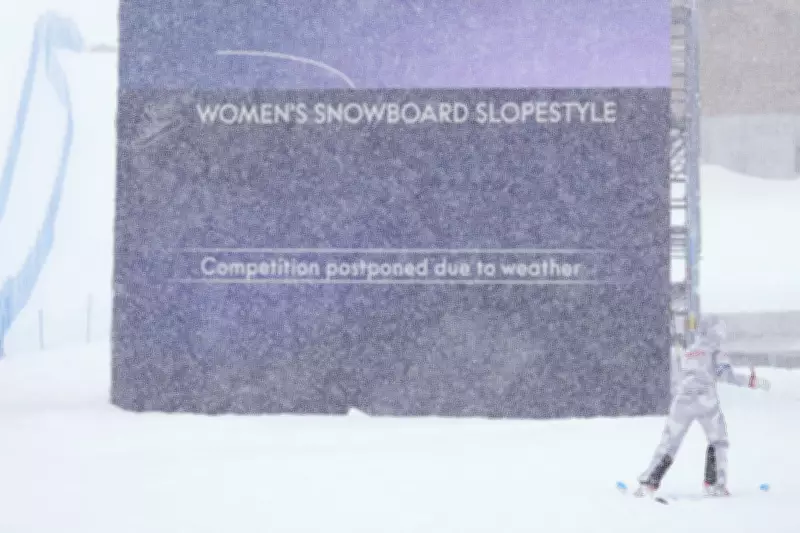
Heavy snowfall has forced Olympic organizers to postpone several key events at the 2026 Winter Games in Livigno, Italy. The women's snowboarding slopestyle finals, originally scheduled for Tuesday, February 17, 2026, have been delayed along with multiple freestyle skiing competitions due to unsafe weather conditions that could compromise athlete safety and event integrity.
Unprecedented Snowfall Impacts Competition Schedule
The decision to postpone comes after meteorological reports indicated continuous heavy snow accumulation throughout the Livigno region. Olympic officials emphasized that athlete welfare remains their top priority, with the challenging conditions posing significant risks for competitors attempting complex aerial maneuvers and high-speed runs.
"The safety of our athletes must always come first," stated an Olympic organizing committee spokesperson. "While we understand the disappointment this may cause for spectators and participants alike, the current weather conditions simply do not allow for safe competition in these particular events."

Rescheduling Challenges and Contingency Plans
Organizers are now working diligently to reschedule the affected events within the remaining Olympic calendar. The postponement creates logistical challenges for broadcasters, ticket holders, and participating nations who must adjust their competition strategies and travel arrangements.
The impacted events include:
- Women's snowboarding slopestyle finals
- Multiple freestyle skiing competitions
- Several qualification rounds for related disciplines
Weather-related postponements are not uncommon in winter sports, but the scale of this delay during Olympic competition highlights the ongoing challenges of hosting outdoor events in alpine environments. Organizers have contingency plans for such scenarios, including potential venue changes and schedule adjustments to ensure all events can be completed before the Games conclude.
Historical Context and Athlete Perspectives
This marks the first significant weather-related postponement at the 2026 Winter Olympics, though similar incidents have occurred at previous Games. Athletes have expressed mixed reactions to the delay, with some appreciating the caution while others face disrupted preparation routines and competitive momentum.
"We train for years for these moments, and then nature reminds us who's really in charge," commented one Olympic snowboarder who requested anonymity. "It's frustrating, but we all understand that safety has to come before competition."
Meteorological teams continue to monitor conditions closely, with forecasts suggesting improved weather may allow competition to resume within the coming days. The postponement serves as a reminder of the unpredictable nature of winter sports and the extensive planning required to host successful Olympic Games in challenging mountain environments.