Guadalajara's World Cup Preparations Overshadowed by Cartel Violence
The Mexican city of Guadalajara, set to host four World Cup matches this summer, finds itself grappling with escalating cartel violence that has raised serious security concerns just months before the global football tournament begins. The violence erupted following a military operation that resulted in the death of notorious drug lord Nemesio "El Mencho" Oseguera, leader of the Jalisco New Generation Cartel.
Deadly Aftermath of Cartel Leader's Death
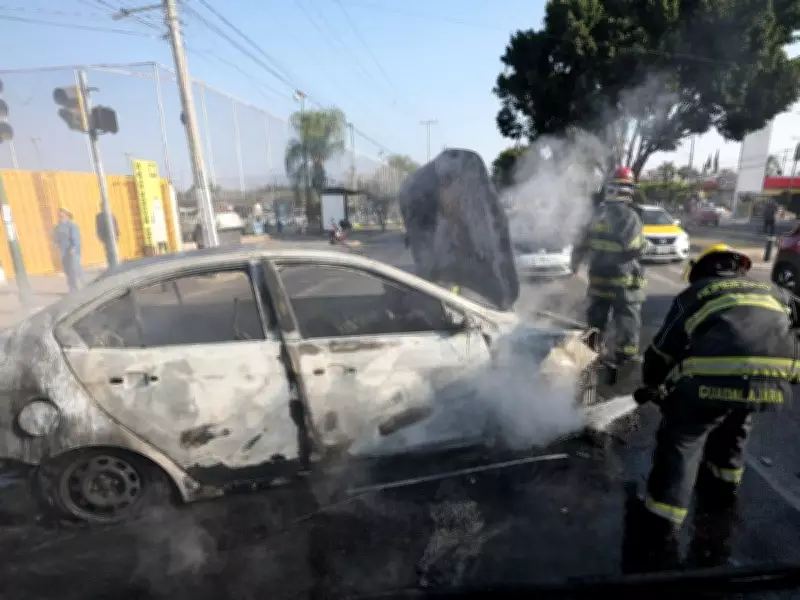
On Sunday, February 22, 2026, Mexican military forces conducted a raid approximately 130 kilometers from Guadalajara that left El Mencho dead. The cartel responded with immediate and brutal retaliation, engaging security forces in gun battles that claimed at least 57 lives across Mexico. The violence included highway blockades in 20 states and the burning of buses and businesses, prompting authorities to suspend football games in Guadalajara and the central state of Queretaro.
The streets of Guadalajara remained eerily empty on Monday, with businesses closed and classes suspended throughout Jalisco state. Schools in a dozen other Mexican states also shut down as the country dealt with the aftermath of the cartel's violent response.

Technological Security Measures for World Cup
As Guadalajara prepares to co-host World Cup matches alongside the United States and Canada, authorities are implementing advanced technological solutions to address security challenges. The state government of Jalisco plans to deploy drones, anti-drone equipment, and artificial intelligence-driven video surveillance systems to protect the international sporting event.
"The preparations come as Jalisco endures an epidemic of disappearances and discoveries of clandestine graves," noted security analysts. Guadalajara has more residents missing due to drug-related violence than any other Mexican city, with official statistics reporting 12,575 people disappeared in Jalisco state alone.
FIFA's Silence and Local Concerns
Football's world governing body FIFA has declined to comment on the violence affecting one of its World Cup host cities, despite growing concerns about security arrangements. This silence has done little to reassure local activists and residents who question the appropriateness of hosting a major international celebration amid ongoing violence.
Carmen Ponce, a 26-year-old activist whose brother disappeared in 2020, expressed dismay at the situation. "I don't think there is anything to celebrate. It seems like a pretty grotesque situation to me," she stated. "The country celebrates goals while we are here searching." Ponce and her mother discovered buried plastic bags containing human remains in a field last September, highlighting the grim reality of Mexico's disappearance crisis.
Academic Perspective on Violence
Carmen Chinas, an academic at the University of Guadalajara, explained that disappearances are frequently driven by forced recruitment into criminal organizations. Family members of missing persons have taken matters into their own hands, unearthing hundreds of clandestine graves while searching for loved ones.
The violence comes despite recent assurances from state security officials that Guadalajara was "peaceful," creating a stark contrast between official statements and the reality on the ground. With the World Cup approaching, all eyes will be on how Mexican authorities balance security concerns with the demands of hosting one of the world's most watched sporting events.