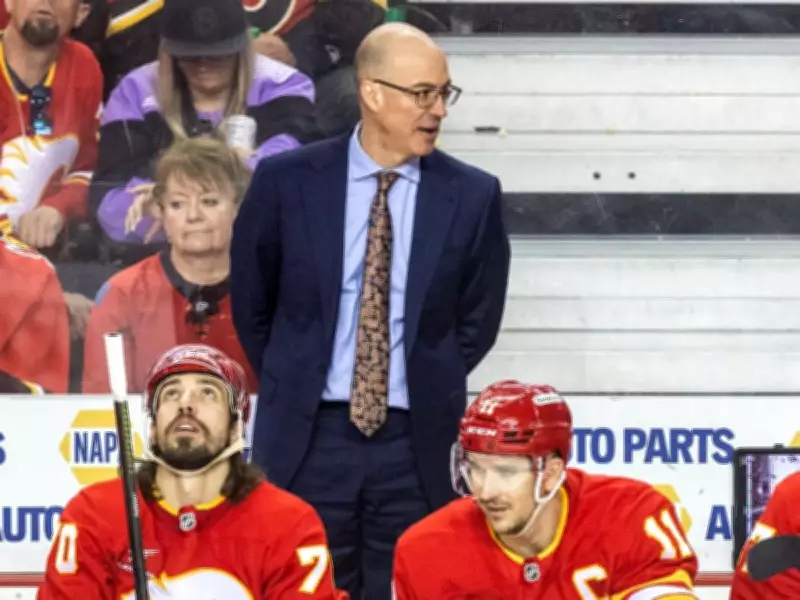
As the NHL season progresses, attention turns to the performance of coaching staff across the league, with particular focus on Ryan Huska's tenure as head coach of the Calgary Flames. Over the past two seasons, Huska has navigated the challenges of leading a professional hockey team through competitive Western Conference play, roster transitions, and development of emerging talent.
Assessing the Coaching Tenure
Ryan Huska assumed the head coaching role for the Calgary Flames with expectations of building upon the team's existing foundation while implementing his strategic vision. His approach has emphasized defensive structure, disciplined play, and fostering a competitive environment that encourages player growth. Throughout his two-season span, Huska has faced the typical pressures of NHL coaching, including managing player rotations, adapting to injuries, and making in-game adjustments against formidable opponents like the Vegas Golden Knights and other conference rivals.
Team Performance and Strategic Implementation
Under Huska's guidance, the Flames have demonstrated periods of strong performance alongside inevitable challenges that accompany coaching transitions. His systems have particularly focused on improving defensive metrics while maintaining offensive creativity. The coaching staff's ability to develop younger players while maximizing veteran contributions has been a recurring theme throughout Huska's tenure, with particular attention paid to special teams effectiveness and situational awareness during critical game moments.

Emerging Talent and Roster Development
A significant aspect of Huska's coaching evaluation involves his handling of the Flames' younger roster members. Several promising players have shown notable development under his leadership, demonstrating improved confidence, tactical understanding, and on-ice production. These emerging contributors represent not just immediate assets but potential cornerstones for the franchise's future competitiveness.
The integration of youth with established veterans has been a balancing act that Huska has managed throughout his tenure. His player development philosophy emphasizes both individual skill refinement and understanding of team systems, creating a pathway for younger athletes to assume increasingly significant roles within the lineup.
Future Outlook and Roster Considerations
Looking ahead, the Flames' trajectory under Huska's continued leadership will depend on several factors:
- Continued development of young core players who have shown promise during the recent season
- Strategic adjustments to address competitive gaps identified through two seasons of observation
- Roster management decisions that align with both immediate competitiveness and long-term sustainability
- Adaptation to evolving NHL trends and opponent strategies across the Western Conference
The coaching staff's ability to identify and cultivate talent while maintaining competitive performance will remain crucial as the Flames position themselves for future postseason opportunities. Player acquisition, development pipeline management, and tactical innovation will all contribute to the team's direction under Huska's leadership.
Broader Coaching Context
Huska's performance must be considered within the broader landscape of NHL coaching, where tenure stability often correlates with organizational patience during rebuilding or retooling phases. His background in player development prior to assuming the head coaching role provides valuable perspective on nurturing talent, while his game management decisions continue to evolve through experience against elite competition.
The relationship between coaching philosophy and roster construction represents an ongoing consideration, with Huska's systems needing to align with the personnel assembled by management. This synergy between coaching vision and player capabilities ultimately determines on-ice success and organizational progress toward championship aspirations.