Deep Sky, a Canadian carbon removal company, has announced a landmark 10-year carbon credit purchase agreement with TD Bank Group. The deal, disclosed on June 4, 2026, represents one of the largest long-term commitments in Canada's emerging carbon offset market.
Details of the Agreement
Under the terms of the agreement, TD Bank will purchase carbon credits generated by Deep Sky's direct air capture and storage projects. The credits are expected to be delivered over the decade-long contract, providing Deep Sky with a stable revenue stream to scale its operations. Financial terms were not disclosed, but industry analysts estimate the deal could be worth tens of millions of dollars.
Strategic Importance
This partnership underscores the growing role of carbon offsets in corporate climate strategies. TD Bank has committed to achieving net-zero emissions by 2050 and is using carbon credits to address residual emissions. Deep Sky, founded in 2022, specializes in removing carbon dioxide directly from the atmosphere and storing it permanently underground.

"This agreement demonstrates that large corporations are willing to invest in long-term carbon removal solutions," said Deep Sky CEO. "It provides the financial certainty needed to build large-scale facilities."
Market Context
Canada's carbon offset market has been expanding rapidly, driven by federal and provincial carbon pricing mechanisms. The federal government's investment tax credit for carbon capture, utilization, and storage has also spurred project development. However, critics argue that offsets should not replace direct emission reductions.
Environmental groups have expressed mixed reactions. Some applaud the investment in carbon removal technology, while others caution that such deals could delay necessary cuts in fossil fuel use. "Carbon credits can play a role, but they are not a silver bullet," said a spokesperson for an environmental nonprofit.
Looking Ahead
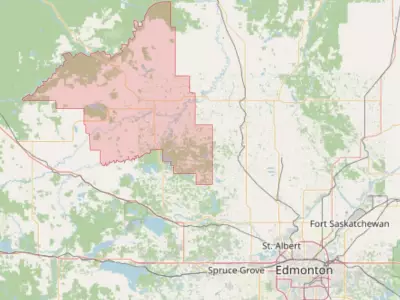
Deep Sky plans to use the proceeds from the TD deal to advance its first commercial-scale direct air capture facility in Alberta. The company aims to capture up to 1 million tonnes of CO2 annually by 2030. TD Bank, meanwhile, continues to face scrutiny over its financing of fossil fuel projects, making this carbon credit purchase a key part of its climate narrative.
The 10-year agreement is expected to set a precedent for similar deals in Canada, potentially attracting more investment to the carbon removal sector.