

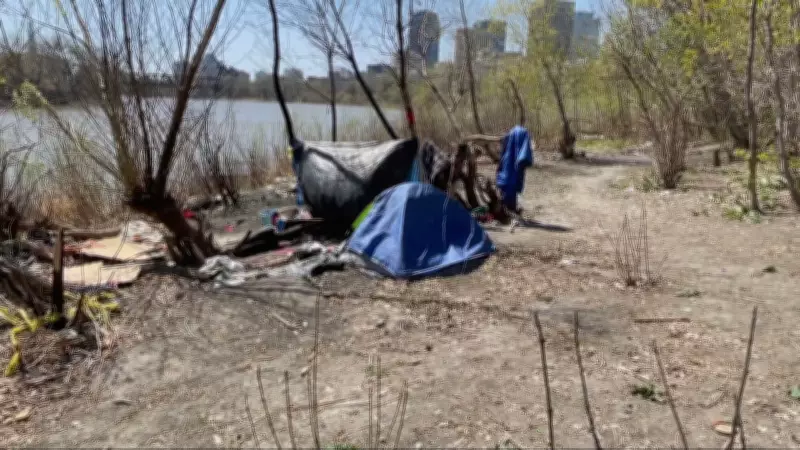
Winnipeg's Homelessness Crisis Deepens Amid Growing Strain on Support Systems
The City of Winnipeg is confronting a significant escalation in chronic homelessness, with local officials and advocates warning that existing support structures are buckling under the pressure. As the situation deteriorates, there is a mounting push for the municipal government to formally designate specific areas where homeless encampments can be established, aiming to provide a measure of stability and safety for those without shelter.
Escalating Numbers and Systemic Pressures
Recent reports indicate a troubling rise in the number of individuals experiencing long-term homelessness in Winnipeg. This trend is placing unprecedented demands on shelters, outreach services, and healthcare facilities, which are struggling to keep pace with the growing need. The strain is becoming increasingly visible across the city, with more encampments appearing in parks, under bridges, and in other public spaces as people seek refuge from the elements.
"The system is under increasing strain," noted one community worker, highlighting the challenges faced by organizations trying to assist the homeless population. Chronic homelessness, defined as being without a home for extended periods or repeatedly, is particularly difficult to address due to its complex roots in mental health issues, addiction, poverty, and a lack of affordable housing.

Calls for Designated Encampment Zones
In response to the crisis, advocates are urging Winnipeg to follow the lead of some other Canadian cities by creating sanctioned encampment sites. These designated areas would offer basic amenities such as sanitation facilities, waste disposal, and security, potentially reducing health risks and conflicts with local residents or businesses. Proponents argue that this approach acknowledges the reality of homelessness while working toward more permanent solutions.
The proposal has sparked debate among policymakers, with some expressing concerns about normalizing encampments instead of focusing on housing-first strategies. However, supporters contend that in the short term, designated spaces could provide a safer alternative to the ad-hoc settlements that currently dot the urban landscape.
Broader Context and Ongoing Challenges
Winnipeg's homelessness issue is part of a larger national problem, exacerbated by rising living costs, stagnant wages, and a shortage of low-income housing. The city's harsh winters add an urgent dimension to the crisis, as exposure to extreme cold poses life-threatening risks to those living outdoors.
Efforts to combat homelessness in Winnipeg have included increased funding for shelters and support programs, but these measures have not kept up with demand. The need for a comprehensive, multi-faceted strategy is more pressing than ever, combining immediate relief with long-term plans for affordable housing and social services.
As discussions continue, the human toll of chronic homelessness remains stark. Stories of individuals struggling to survive on the streets underscore the urgency of finding effective solutions. With winter always looming on the horizon, the time for action is now, before the situation reaches a breaking point.






