

Formerly Homeless Individuals, Including Veterans, at Risk of Eviction Under Trump Administration Proposal
A controversial plan from the Trump administration threatens to displace thousands of formerly homeless people, with veterans among those most vulnerable to eviction. The proposal, if implemented, could reverse progress in housing stability for some of society's most at-risk populations.
Details of the Housing Policy Shift
The initiative targets federal housing programs administered by the Department of Housing and Urban Development (HUD), potentially altering eligibility criteria and funding allocations. Critics argue this move may undermine efforts to combat homelessness, particularly affecting those who have recently secured housing after periods of instability.
Veterans are highlighted as a key group impacted, given their disproportionate representation in homeless statistics and reliance on government-supported housing initiatives. Advocates warn that evictions could exacerbate mental health issues and economic hardship among this demographic.

Broader Implications for Social Welfare
This policy change comes amid ongoing debates over federal responsibility in addressing homelessness. Proponents claim it aims to streamline resources and encourage self-sufficiency, but opponents fear it will lead to increased street homelessness and strain on local social services.
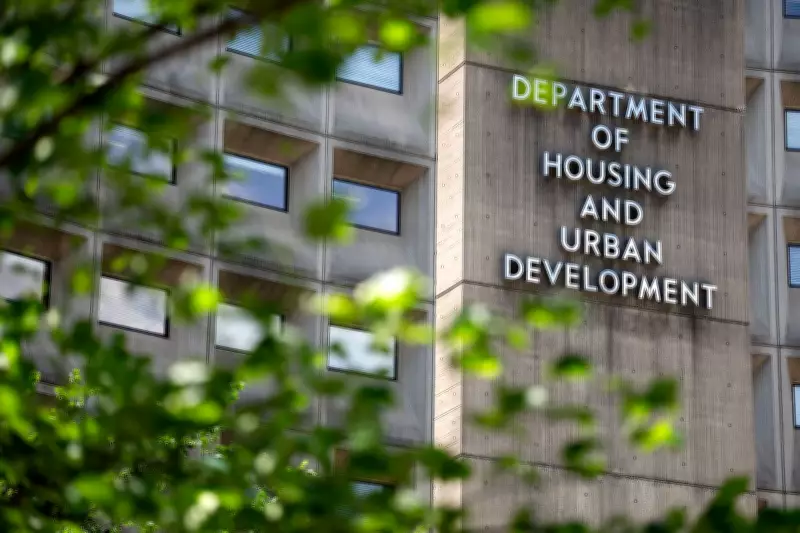
The Robert C. Weaver Federal Building, HUD's headquarters in Washington, D.C., serves as the administrative center for these potential changes. As discussions continue, housing rights organizations are mobilizing to oppose the plan, emphasizing the human cost of displacement.
With homelessness remaining a critical issue in many urban areas, the outcome of this proposal could set a precedent for future housing policies under the Trump administration, influencing national approaches to poverty and welfare reform.






