

Ottawa Aims to Lead Canada in Supportive Housing to Combat Homelessness
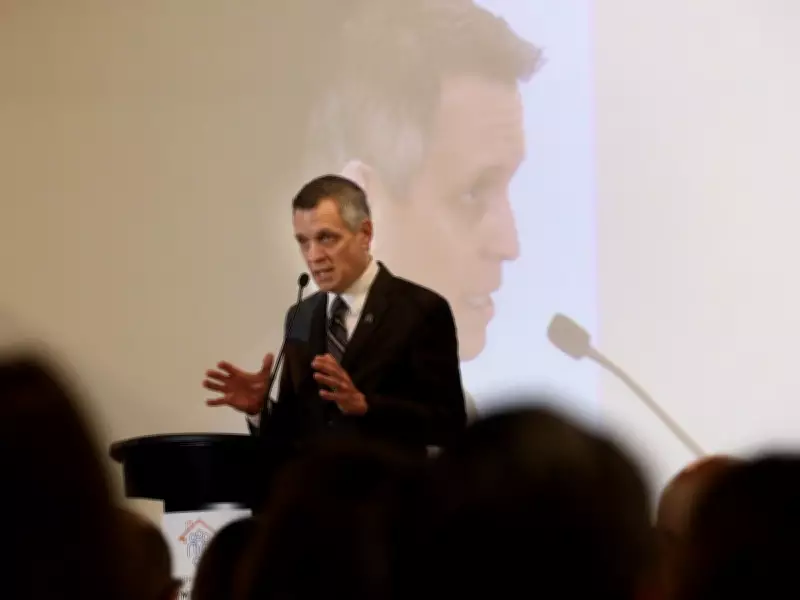
The City of Ottawa is taking bold steps to address chronic homelessness by positioning itself as a national leader in supportive housing. Mayor Mark Sutcliffe recently emphasized the city's potential during the Ottawa Health and Housing Symposium, highlighting a collaborative effort with health and housing experts to tackle the complex issue that housing alone often cannot resolve.
Strategic Advisory Body Launched
At the symposium, a new strategic advisory body was unveiled, comprising housing providers, healthcare organizations, and community partners. This initiative aims to better coordinate and align services, focusing on building more models of supportive housing. The goal is to help individuals experiencing chronic homelessness find stable homes and remain housed with necessary support, while also alleviating pressures on the healthcare system.
Data from Ottawa and other regions indicate that people facing chronic homelessness frequently rely on emergency services, underscoring the need for integrated solutions. City Councillor Catherine Kitts, chair of the Ottawa Board of Health, stated, "We can improve outcomes for people cycling between shelters, hospitals, and the streets who need coordinated, wraparound, and recovery-oriented health care. They need and they deserve better—to be well and not living in crisis."

Doubling Supportive Housing Units
In a unanimous decision, Ottawa City Council voted to double the rate at which supportive housing units are constructed. Currently, the city has 350 supportive housing units, with 450 individuals on a waitlist. At the previous pace, it would have taken a decade to clear this backlog. To address this, the city has doubled funding, aiming to house those on the waitlist within five years.
Mayor Sutcliffe noted that this accelerated approach is crucial for reducing homelessness and improving community well-being. The collaboration involves various health and housing groups already operating or developing supportive housing models, which include built-in health, social, and other supports tailored to residents' needs.
Focus on Seniors and Specialized Programs
With a growing number of seniors experiencing homelessness in Ottawa, several supportive housing programs are in place to address this demographic. Organizations like Ottawa Community Housing and Bruyère Health offer initiatives such as apartments above community health centers, providing seniors with stable housing and essential health services.
Melissa Donskov, vice-president of residential and community programs at Bruyère Health, explained, "Stable housing with the right health supports keeps people healthier, reduces avoidable hospital use, and helps seniors age with independence." Additionally, The Royal is partnering with Ottawa Community Housing and Ottawa Salus Corporation to build supportive housing on Byng Drive, specifically for individuals with serious mental health issues.
This comprehensive strategy reflects Ottawa's commitment to creating a more effective and humane response to homelessness, leveraging partnerships and increased resources to make a tangible impact on vulnerable populations.






