

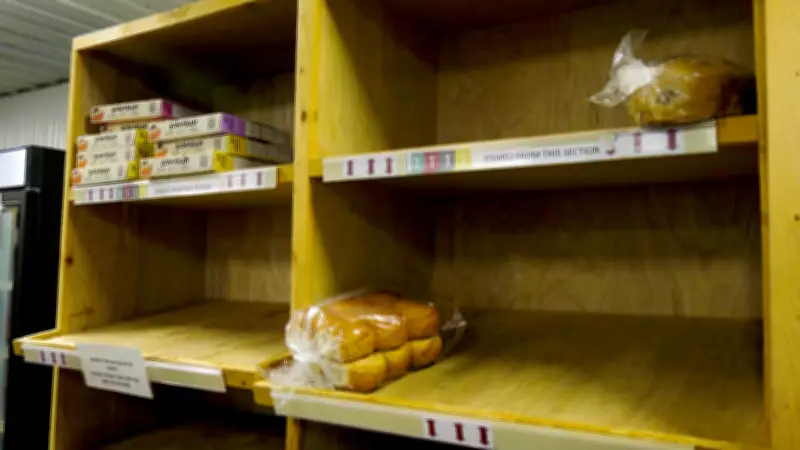
Food banks across Canada are implementing drastic measures to cope with an overwhelming surge in demand, driven by the relentless increase in the cost of living. Many organizations are now limiting visits to just once per month, a stark reduction from previous policies, as they struggle to keep shelves stocked and serve a growing number of clients.
Unprecedented Strain on Resources
The Moose Jaw & District Food Bank, like many others, is experiencing severe shortages, with several shelves left bare. This scarcity reflects a nationwide crisis where donations are failing to keep pace with the escalating need. Food bank operators report that the combination of high inflation, stagnant wages, and rising housing costs has pushed more individuals and families into food insecurity, creating a perfect storm of demand.
Impact on Vulnerable Populations
These restrictions disproportionately affect vulnerable groups, including seniors, low-income workers, and single-parent households. With visits limited to monthly intervals, many clients face difficult choices between paying for essentials like rent and utilities or securing adequate nutrition. The situation underscores the deepening affordability crisis in Canada, where even basic necessities are becoming increasingly out of reach for a significant portion of the population.

Broader Economic Context
The food bank crisis is set against a backdrop of broader economic challenges. Reports indicate that grocery prices continue to climb, with farmers warning of "extremely high" costs due to rising diesel expenses. Additionally, global factors such as the war in Iran contributing to fertilizer shortages threaten to further destabilize food prices, exacerbating the strain on local aid organizations.
Calls for Systemic Solutions
Advocates are urging governments at all levels to address the root causes of food insecurity through enhanced social programs, affordable housing initiatives, and policies that bolster income support. While food banks provide a critical stopgap, they emphasize that long-term solutions are necessary to combat the structural issues driving demand. Community support remains vital, but systemic change is deemed essential to alleviate the pressure on these frontline services.
As Canada grapples with these economic pressures, the plight of food banks serves as a poignant indicator of the widespread financial hardship facing many citizens. The shift to monthly visit limits marks a sobering milestone in the ongoing struggle against poverty and inequality.






