

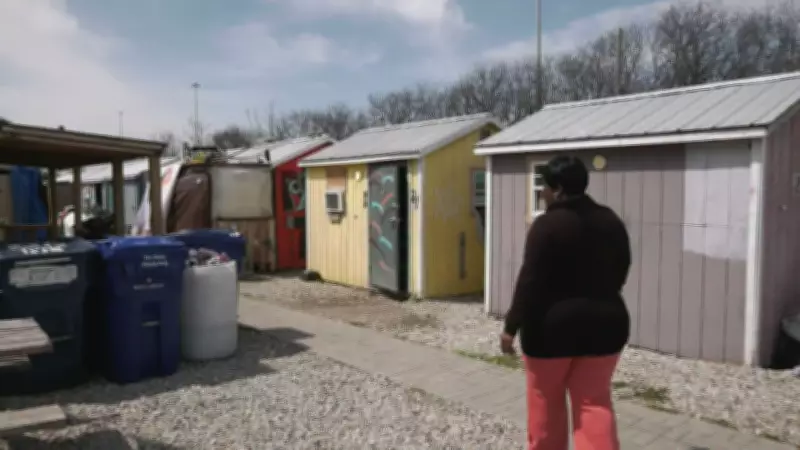
A Better Tent City Celebrates Six Years as a Transformative Community
In Kitchener, A Better Tent City is commemorating its sixth anniversary, with former and current residents reflecting on its evolution from a temporary shelter into a close-knit community. Founded to address homelessness through a supportive model, the initiative has grown into a stable environment where individuals find not just housing but a sense of belonging and family.
Building a Family-Like Atmosphere
Residents of A Better Tent City describe the community as more than just a place to live; it has become a family. This sentiment is echoed by many who have transitioned from homelessness to a supportive network that fosters social connections and personal growth. The community operates on principles of mutual aid and inclusivity, providing essential services such as food, healthcare access, and social activities that help residents rebuild their lives.
Impact on Homelessness and Social Inclusion
Over the past six years, A Better Tent City has made significant strides in reducing homelessness in the region. By offering a dignified alternative to traditional shelters, it has helped numerous individuals gain stability and reintegrate into society. The model emphasizes resident involvement in decision-making, empowering participants to take ownership of their living environment and future prospects.

Community leaders highlight that this approach not only addresses immediate housing needs but also tackles underlying issues like mental health and addiction through on-site support programs. The anniversary celebrations serve as a reminder of the progress made and the ongoing challenges in combating homelessness across Canada.
Challenges and Future Directions
Despite its successes, A Better Tent City faces ongoing challenges, including funding uncertainties and the need for expanded resources to accommodate more individuals. Advocates call for increased government and public support to sustain and replicate this model in other areas, emphasizing its effectiveness in creating sustainable solutions for homelessness.
As the community looks ahead, plans include enhancing facilities and programs to better serve residents, with a focus on long-term housing transitions and community integration. The sixth anniversary marks a milestone of resilience and hope, showcasing how innovative approaches can transform lives and foster stronger, more inclusive societies.






