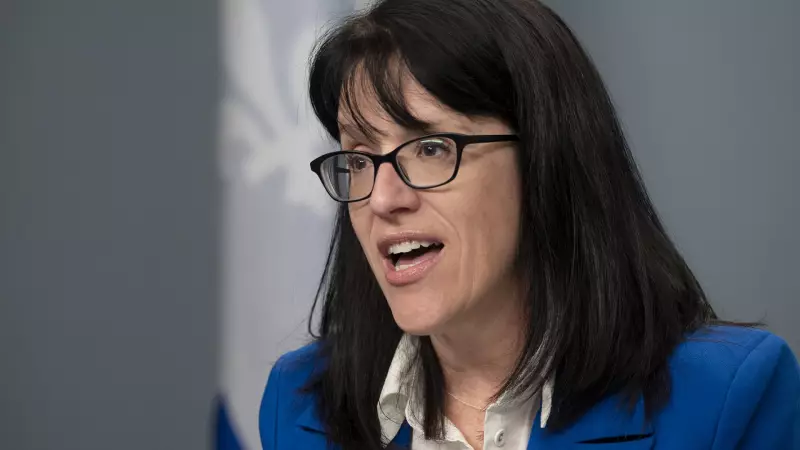
Quebec political figure Sonia LeBel has announced she will be stepping away from public office at the conclusion of her current mandate. The Member of the National Assembly (MNA) confirmed her decision to not seek re-election, marking a significant departure from the provincial political scene.
A Career in Public Service Comes to a Close
Sonia LeBel, a prominent name in Quebec's political arena, has decided to conclude her tenure as an elected official. Her announcement, made public on January 19, 2026, signals the end of a chapter dedicated to serving her constituents and shaping provincial policy. While the specific reasons behind her personal decision were not elaborated in the initial report, such exits often prompt reflection on the changing dynamics within government and the personal considerations of long-serving officials.
The Ripple Effect in Quebec's Political Landscape
The departure of an experienced MNA like LeBel invariably creates a vacancy that will need to be filled. Her exit will trigger a process within her riding to select a new candidate for the next provincial election. This move can influence party strategy and local campaigning efforts as political groups reassess their standing and prospects in the region she represented.

Political analysts often watch such announcements closely, as they can be indicators of broader trends within a party or government. The coming months will reveal how her riding association and political party plan to manage the transition and maintain their connection with voters in the area.
Looking Ahead to the Next Election Cycle
With LeBel's term set to conclude, attention will now shift to the future of the electoral district she served. Her decision, effective at the end of her current term, means she will complete her existing duties but will not be on the ballot when Quebecers next head to the polls. This opens the door for new candidates to come forward and present their vision for the riding's future.
The announcement, reported by Rachel Lau, adds to the ongoing narrative of political renewal and change within Canadian provinces. As one chapter ends, it sets the stage for new voices and perspectives to emerge in Quebec's vibrant and often contentious political discourse.