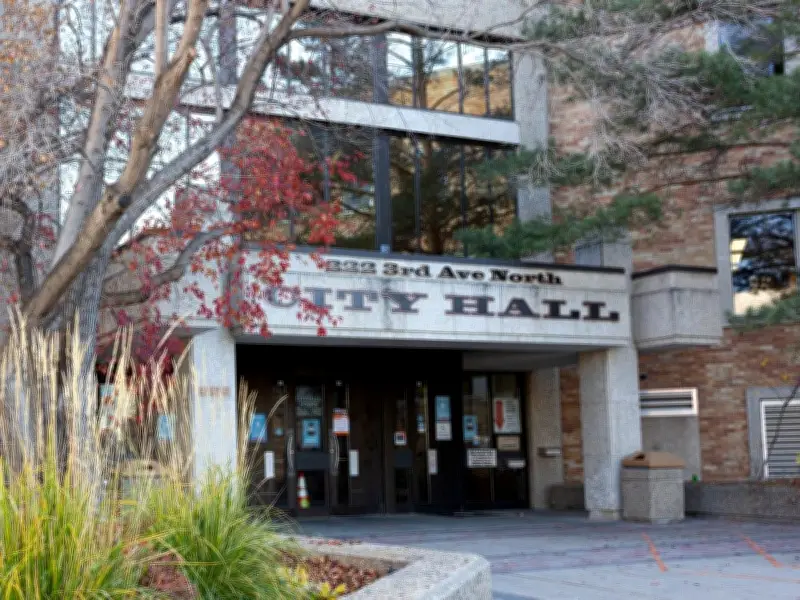
The City of Saskatoon has a mission: excellence in public service delivery. It is a worthy goal, one that residents and businesses rightly expect from a city collecting over a billion dollars in annual revenue and managing the infrastructure, programs, and services that shape daily life. However, there is a significant problem: there is no reliable way to know if this goal is being achieved.
This uncomfortable truth lies at the heart of a new report prepared by the Greater Saskatoon Chamber of Commerce. After benchmarking Saskatoon’s municipal service audit function against comparable Canadian cities, the findings are clear. The city ranks low or last among its peers in service audit capacity, and the consequences are tangible.
What Are Municipal Service Audits?
Municipal service audits are how cities verify that public money is spent wisely and that programs deliver as promised. A well-resourced audit office identifies waste in procurement, flags underperforming contracts, assesses whether capital projects stay on budget, and surfaces fraud or wrongdoing before it escalates. Done well, audit work is not about finding fault—it is about finding better. It provides elected officials with the evidence needed to make smarter budget decisions and gives residents confidence that City Hall is accountable.

Saskatoon’s Audit Capacity Gap
Saskatoon has taken some steps in this direction. An Office of the City Auditor exists, but it operates with only two full-time staff and an annual budget of roughly $450,000—$1.42 per resident. The peer average is more than $2.30 per resident. Calgary operates with 19 staff, Edmonton with 17, and even smaller cities like Hamilton field eight. This resourcing gap compounds a governance problem. The city auditor currently reports administratively to the chief financial officer and presents findings through the Standing Policy Committee on Finance, which lacks independent public members with audit or risk expertise.
In peer cities like Calgary, Edmonton, Ottawa, and Toronto, dedicated audit committees meet quarterly and include citizen members with accounting or governance credentials. Every major Canadian city benchmarked has made room for experts. Saskatoon has not.
Consequences of Inadequate Oversight
The consequences show up in the public record. A financial review planned for late 2023 was not finalized until January 2025—more than a year late. A street sweeping audit planned for 2025 was pushed to 2026. No audit plan was developed at all in 2024. As of spring 2025, no annual report exists in the public record. Peer cities had their 2024 reports published by February. Audit findings that arrive after budget decisions have already been made serve no one.
The message is clear: Saskatoon deserves better oversight of its own services. Investing in a robust, independent audit function is not just about finding fault—it is about building a foundation of trust, efficiency, and excellence in public service delivery.