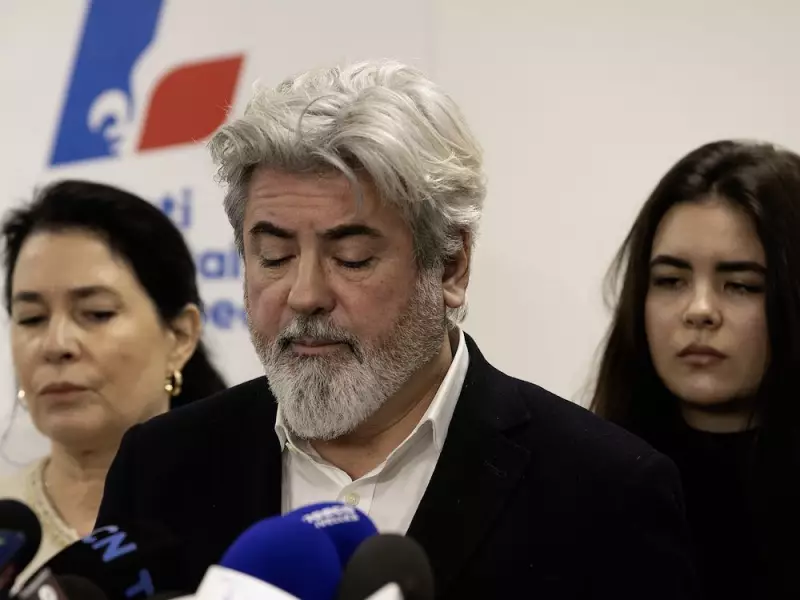
The Quebec Liberal Party (QLP) has been plunged into a sudden leadership crisis, finding itself without a leader just ten months before a pivotal provincial election. This dramatic turn of events follows the resignation of Pablo Rodriguez, who was forced to step down on Thursday, December 18, 2025.
A Sudden Vacuum and a Steep Climb Ahead
Rodriguez, a figure widely described as kind and affable, had been elected head of the party only in June of this year. His departure was triggered by a series of internal disputes and allegations of improprieties related to the financing of his leadership campaign. While many believe he was unaware of the schemes orchestrated by a few supporters, politics operates on perception. In the court of public opinion, the damage was done, leading to what observers call an unfair, cruel, and sad conclusion to his brief tenure.
The immediate question is whether this vacuum fatally weakens the federalist forces in Quebec. The short answer is no, but the damage is significant and real. The next leader of the QLP will inherit an exceptionally steep hill to climb, tasked with reuniting a divided party and rebuilding its brand under intense time pressure.

The Stakes: Preventing a Sovereignty Referendum
The political landscape is daunting for the Liberals. A recent Léger poll places the sovereigntist Parti Québécois (PQ) far ahead with 35% support, compared to the Liberals' 20%. If an election were held today, the PQ could form a majority government, putting it in a position to fulfill its promise to activists: holding a referendum on separation.
While polls indicate most Quebecers do not currently favour separation, history teaches that referendum campaigns are unpredictable. The 1995 Quebec referendum and the 2016 Brexit vote in the U.K. stand as stark reminders. The most reliable way to prevent another sovereignty vote is for the Quebec Liberals—the only federalist party with representation in the National Assembly—to win the October 2026 election.
The Path Forward: Reunification and Rebuilding Trust
At the time of writing, the party's executive committee must decide between launching a swift leadership race or appointing a new leader as per its constitution. A short but open race is widely seen as the better option. The party remains fractured from the bruising campaign last spring, and a leader chosen directly by the membership, with a clear mandate, would be better positioned to heal those divisions and mobilize for the election fight.
The work of rebuilding the party after its 2022 defeat is not entirely lost. Under Rodriguez, riding associations were revitalized and promising candidates were approached. Work on a policy platform had also begun and must continue urgently. Quebecers are primarily concerned with concrete issues: the rising cost of living, the housing crisis, and deteriorating public services. They seek a competent team to guide the province through difficult economic times.
However, the party's brand has suffered a severe blow. A decade after previous fundraising scandals, the QLP must now convince voters that the recent questionable conduct was the work of a few individuals, not evidence of a systemic "culture of corruption" as opponents allege. Overcoming this perception will be the new leader's most formidable challenge. The coming months will test whether the party can overcome its internal crisis to present a united front against a resurgent PQ.