Iran's Supreme Leader Ayatollah Ali Khamenei Dies at 86, Leaving Political Void
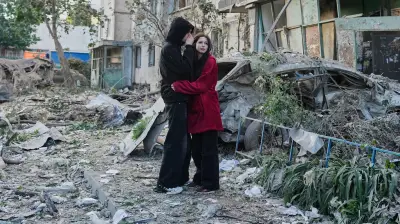
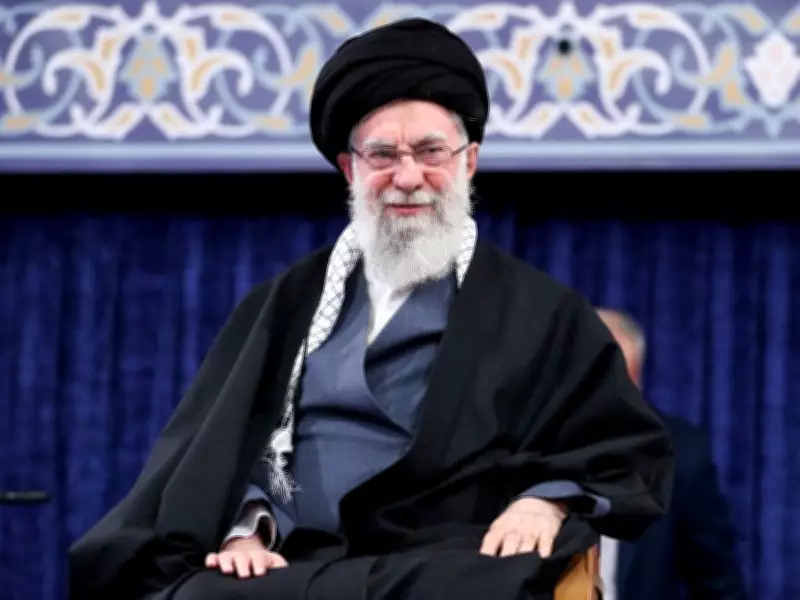
Ayatollah Ali Khamenei, who served as Iran's supreme leader since 1989 and transformed the nation into a regional power while confronting Western adversaries, has died at age 86. Iranian state media confirmed his death early Sunday following a major military operation conducted jointly by Israel and the United States.
Decades of Theocratic Rule and Regional Confrontation
Khamenei dramatically reshaped the Islamic Republic after assuming leadership following the death of revolutionary founder Ayatollah Ruhollah Khomeini in 1989. While Khomeini established Iran's clerical rule after overthrowing the shah, Khamenei institutionalized the theocratic system over his 37-year reign, significantly expanding the Shiite clerical class and building the paramilitary Revolutionary Guard into the primary pillar supporting his authority.
The Revolutionary Guard evolved into a military and economic powerhouse, controlling Iran's ballistic missile arsenal and extending its influence across multiple economic sectors. This consolidation of power enabled Khamenei to pursue confrontational policies toward Israel and the United States, particularly regarding Iran's nuclear program, while simultaneously suppressing domestic dissent through increasingly harsh measures.

Domestic Unrest and International Tensions
Throughout his lengthy rule, Khamenei faced growing domestic challenges as political repression and economic struggles fueled successive waves of mass protests. The most significant unrest occurred following the 2022 death of Mahsa Amini, a young woman detained for allegedly violating Iran's mandatory headscarf law. This incident sparked nationwide demonstrations that escalated into broader protests against social restrictions, with hundreds of thousands marching in early January and many chanting "Death to Khamenei."
The supreme leader responded with what became the deadliest crackdown in nearly five decades of clerical rule, as security forces opened fire on crowds, resulting in thousands of fatalities. Simultaneously, regional tensions intensified following Hamas's October 2023 attack on Israel, which triggered direct military exchanges between Iran and Israel for the first time in 2024. Subsequent strikes in 2025 targeted Iran's nuclear facilities and military leadership, prompting retaliatory missile and drone attacks against Israel.
Uncertain Succession and Future Implications
Khamenei's death creates a significant power vacuum within Iran's political structure, raising fundamental questions about the future direction of the Islamic Republic. The 88-member Assembly of Experts, composed predominantly of hard-line clerics, holds constitutional authority to select the next supreme leader, but no clear successor has emerged from within the establishment.
During the announcement of the military operation that preceded Khamenei's death, U.S. President Donald Trump called on Iranians to "take over your government," suggesting this moment might represent their "only chance for generations." However, the Revolutionary Guard's demonstrated willingness to employ overwhelming force to maintain control suggests any transition will likely face significant resistance from established power structures, even as many of Iran's 90 million citizens express growing disillusionment with the current system.
The coming weeks will test the resilience of Iran's political institutions and potentially reshape the geopolitical landscape of the Middle East, as regional powers and international observers monitor developments in a nation that has played a pivotal role in regional conflicts and nuclear diplomacy for decades.