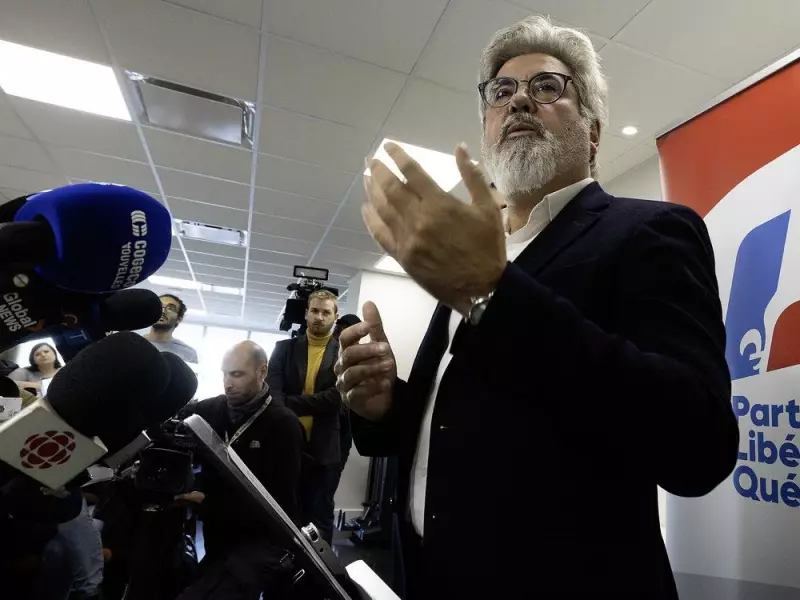
The Quebec Liberal Party (QLP) has been plunged into a leadership crisis, finding itself without a permanent leader a mere ten months before a crucial provincial election scheduled for October 2025. The sudden departure of leader Pablo Rodriguez, who was elected just last June, creates a steep and urgent challenge for the party as it faces a resurgent Parti Québécois and the looming possibility of another sovereignty referendum.
A Sudden Resignation and Its Immediate Fallout
Pablo Rodriguez was forced to resign following a series of internal disputes and serious allegations concerning the financing of his leadership campaign. For Rodriguez, described by observers as a kind and affable figure, the exit is a personal and political tragedy. While he may have been unaware of the actions of a few supporters, the court of public opinion has rendered its verdict. The perception of impropriety, fair or not, proved fatal to his leadership.
The party's executive committee now faces a critical first decision: whether to launch a swift leadership race or to appoint an interim leader using constitutional provisions. Many analysts argue that a rapid but transparent race is the superior option. It would allow party members to choose a new standard-bearer, ideally granting them a stronger mandate to heal the divisions left over from last spring's contentious leadership contest and to mobilize the base for the coming electoral fight.

The Daunting Political Landscape
The urgency of the situation is underscored by recent polling. A Léger survey released in mid-December shows the sovereigntist Parti Québécois holding a commanding lead with 35% support, compared to the Quebec Liberals' 20%. If an election were held today, the PQ would be positioned to form a majority government. Such an outcome would place the province on a direct path toward the referendum on separation that the party has promised its core supporters.
This elevates the QLP's internal crisis to a matter of national consequence. The most effective way to prevent a referendum is for the Liberals to win the election. If they fail, the next Liberal leader will almost certainly become the de facto leader of the federalist "No" campaign. Therefore, the choice made by QLP members in the coming weeks is not merely a partisan decision; it carries weight for the future of Quebec within Canada.
Rebuilding Trust and a Damaged Brand
The party's next leader inherits a significant rebuilding task. Under Rodriguez's brief tenure, groundwork had been laid: riding associations were being revitalized, and promising candidates were being recruited. That organizational work remains, but the party's brand has suffered a severe new blow.
Already weakened by fundraising scandals a decade ago, the Liberals must now convince Quebecers that the recent questionable conduct was the work of isolated individuals and not indicative of a systemic "culture of corruption," as political opponents allege. Restoring public trust will be the new leader's most formidable immediate challenge.
Policy development must also accelerate without delay. Quebecers are primarily concerned with concrete issues: the rising cost of living, the housing crisis, and the deterioration of public services like healthcare and education. They are looking for a competent, ethical team with credible solutions for navigating difficult economic times.
Furthermore, the perennial issue of language and culture remains central for francophone voters. The Liberal leader will need to walk a delicate tightrope, reassuring the electorate of a genuine commitment to protecting and promoting the French language while steadfastly upholding the minority rights that are a cornerstone of liberal philosophy. Striking this balance between nationalism and liberalism requires the kind of exceptional leadership exemplified by former premiers like Robert Bourassa and Jean Charest.
The clock is ticking loudly for the Quebec Liberal Party. The climb to October 2025 is exceptionally steep, and the path is fraught with obstacles. The party's ability to quickly unite behind a credible, trustworthy leader will not only determine its own electoral fate but could also shape the constitutional future of the country.