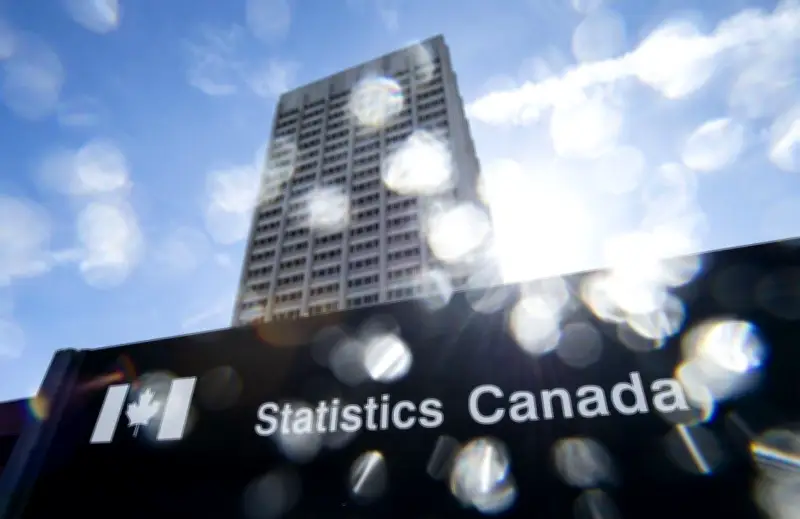
Ottawa's unemployment rate climbed to 6.9% in June 2026, up from 6.5% in May, according to data released by Statistics Canada on July 10. The increase marks a reversal after two months of decline, with the city's labour market facing headwinds amid broader economic uncertainty.
Labour Force Participation Drops
The number of employed residents in Ottawa fell by 2,300 in June, while the labour force shrank by 1,800, indicating that some workers left the job market entirely. The participation rate slipped to 66.2% from 66.5% in May. Statistics Canada noted that employment losses were concentrated in the goods-producing sector, particularly construction and manufacturing.
“The June data show that Ottawa is not immune to the cooling trend we're seeing across the country,” said economist Sarah Johnson of the Ottawa-based Centre for Economic Analysis. “Rising interest rates and slowing consumer demand are weighing on hiring.”

National Context
Nationally, Canada's unemployment rate held steady at 5.8% in June, with employment edging up by 0.1%. However, Ottawa's rate remains above the national average, a gap that has widened over the past year. The city's tech sector, a key driver of growth, has seen layoffs at several firms, contributing to the rise.
Ottawa's unemployment rate is now the highest among major Canadian cities, surpassing Toronto (6.2%) and Vancouver (5.5%). The increase has prompted calls for targeted support from local business groups.
Impact on Housing and Services
The rising joblessness is expected to add pressure on the city's housing market and social services. Ottawa's rental vacancy rate, already below 2%, may tighten further as fewer residents can afford homeownership. The city's community and social services department reported a 12% increase in applications for income assistance in June compared to the same month last year.
“We're seeing more families struggling to make ends meet,” said Michael Tremblay, director of the Ottawa Food Bank. “The unemployment numbers translate directly into increased demand at our shelves.”
Outlook
Economists predict Ottawa's unemployment rate could peak above 7% later this year before gradually declining in 2027, assuming interest rate cuts by the Bank of Canada. The city's diversified economy, anchored by government and technology, may offer some resilience, but near-term challenges remain.