Ontario Premier Doug Ford has launched another sharp critique of a major electric vehicle agreement involving China, orchestrated by former Bank of Canada governor Mark Carney. Ford revealed he was given only a few hours' notice before the deal was made public, a situation he described as deeply problematic for the province's leadership.
Premier Claims Last-Minute Notification
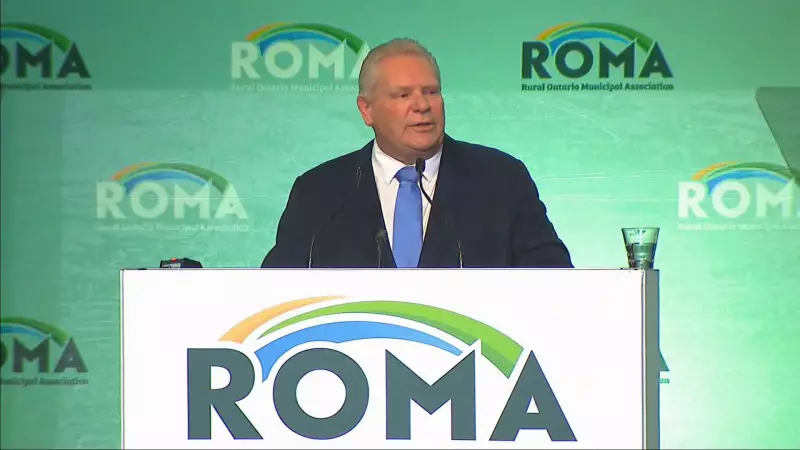
Speaking at the Rural Ontario Municipal Association conference in Toronto on Monday, January 19, 2026, Ford expressed his frustration. He stated that he learned of the significant pact, which involves Chinese electric vehicle manufacturing, mere hours before it was officially announced. This lack of prior consultation, according to the Premier, undermines Ontario's role in shaping its own economic future.
"There's no jobs coming," Ford asserted, directly challenging the potential benefits of the arrangement for Ontario workers. His comments reinforce his longstanding skepticism about the deal's value to the province's auto sector, a cornerstone of its industrial economy.

The Ongoing Political Dispute
This incident marks the latest chapter in a public disagreement between Ford and Carney. While Carney has framed the Chinese electric vehicle partnership as a strategic "opportunity" for Ontario and the broader Canadian auto industry, Ford remains unconvinced. The Premier's central argument hinges on job creation—or the perceived lack thereof—for Ontarians.
The timing of Ford's remarks is notable, coinciding with Carney's scheduled attendance at the World Economic Forum in Switzerland. The former central banker has also recently voiced concerns about escalating U.S. efforts to purchase Greenland, indicating his continued engagement in high-stakes international economic and political matters.
Broader Context for Ontario's Auto Industry
The clash occurs against a backdrop of rapid transformation in the global automotive sector. The push toward electric vehicles is accelerating, and international partnerships are becoming increasingly common. However, Ford's administration emphasizes a focus on securing tangible, local benefits from any such agreements.
Ford's critique extends beyond mere procedural complaints about being blindsided. It touches on core issues of provincial autonomy, economic sovereignty, and the practical outcomes of international trade deals for Canadian workers. His statement at the ROMA conference underscores a preference for deals that guarantee immediate and clear job growth within Ontario.
The political and economic ramifications of this dispute are significant. As the federal and provincial governments navigate the future of automotive manufacturing, the divide between Ford's hands-on, jobs-first approach and Carney's broader, opportunity-focused international strategy highlights a key policy debate for Canada's industrial heartland.