Ontario Premier Addresses Speculation on Early Federal Election
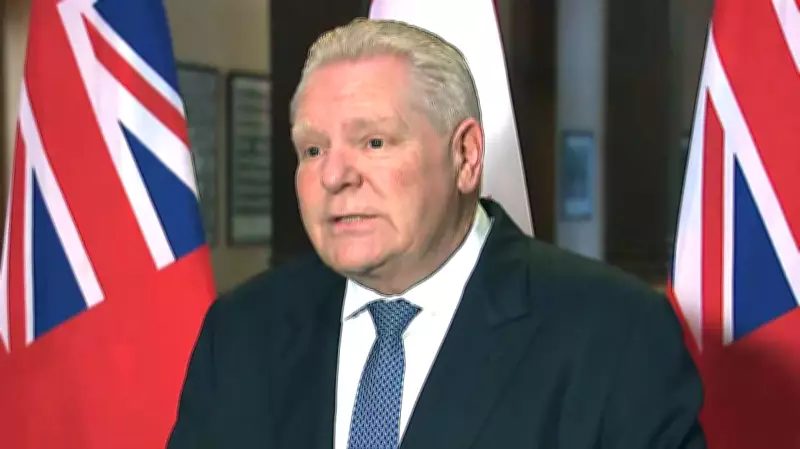
Ontario Premier Doug Ford has publicly acknowledged that the possibility of an early federal election has been a topic of conversation in his discussions with Prime Minister Justin Trudeau. Speaking to reporters at Queen's Park on February 10, 2026, Ford confirmed the subject "has come up" but was quick to downplay its immediate significance, characterizing it as part of routine political dialogue rather than an indicator of imminent action.
Minimizing the Significance of Election Chatter
Ford emphasized that while the topic of an early federal vote has been broached, it should not be interpreted as a signal that an election is on the near horizon. "These conversations happen," Ford stated, suggesting that such discussions are a normal part of the political landscape between provincial and federal leaders. He stressed that his primary focus remains on provincial matters, including Ontario's economic agenda and healthcare system, rather than federal electoral timelines.
This statement comes amid a period of heightened political speculation across Canada, with various policy debates and international issues influencing the national conversation. Ford's comments appear designed to temper expectations and redirect attention toward provincial priorities, even as federal politics continue to evolve.

Context and Broader Political Landscape
The Premier's remarks occur against a backdrop of significant federal-provincial interactions on numerous files, from infrastructure projects like the Gordie Howe Bridge to healthcare funding and environmental policies. Ford has historically maintained a working relationship with the federal Liberal government, despite ideological differences, particularly on matters of economic development and intergovernmental cooperation.
Political analysts note that discussions about election timing are not uncommon, especially during mid-mandate periods when governments assess their standing and policy momentum. However, Ford's decision to publicly acknowledge these talks, however minimally, adds a new layer to the ongoing political discourse in Canada.
Observers suggest that by addressing the topic directly, Ford may be attempting to control the narrative, preventing speculation from overshadowing his government's daily operations. His downplaying of the election's significance aligns with a strategy of maintaining stability and focus on provincial governance, even as federal dynamics shift.
The broader implications of these conversations remain unclear, but Ford's comments underscore the interconnected nature of Canadian politics, where provincial and federal agendas frequently intersect. As developments continue, all eyes will remain on how these discussions might influence future political strategies and public messaging from both levels of government.