

Liberals Maintain Blame on Conservatives for Economic Woes in Parliamentary Debate
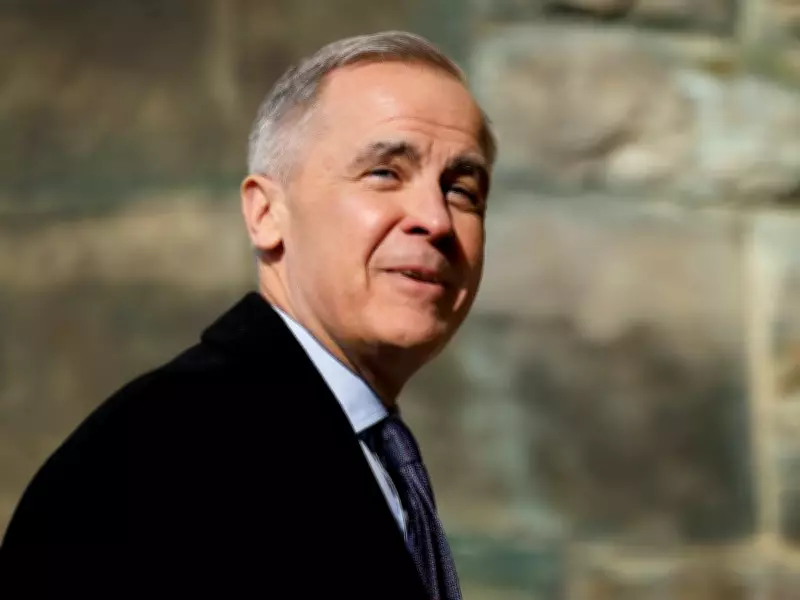
In a recent session of the House of Commons, Prime Minister Mark Carney pointed to Conservative actions as the root cause of escalating grocery costs, highlighting a persistent trend in Canadian political discourse. When questioned about inflation affecting food prices, Carney asserted that the issue stemmed from "the fall in the Canadian dollar caused by the obstructionism of the members opposite before this government came into place." This statement underscores a recurring theme where the incumbent Liberal administration attributes national economic challenges to the opposition.
Historical Context of Political Blame in Canadian Politics
It is not unusual for governing parties to deflect criticism by blaming their predecessors, but this rhetoric typically diminishes over time. However, in the 46th Parliament, the Carney government has frequently cited Conservative influence as a factor in various failures. For instance, Carney referenced TD Bank data linking grocery inflation to the weakening loonie, though the bank's report only briefly mentions currency weakness as a contributing factor. TD Bank notes that similar issues exist in the U.S., but Canadians feel the pinch more acutely due to higher proportional spending on food.
Interestingly, Carney followed his criticism with praise for former Conservative Prime Minister Stephen Harper, who was present in the visitor's gallery, stating, "I want to pay my utmost respect to the 22nd prime minister of Canada, a great prime minister of Canada." This juxtaposition of blame and respect adds complexity to the political narrative.

Examples of Blame Across Government Sectors
The pattern of attributing failures to Conservatives extends beyond economic issues. In December, Industry Minister Mélanie Joly faced questions about layoffs of 3,000 auto workers at Stellantis, despite a recent $15 billion government incentive package aimed at preserving jobs. Joly responded by pointing to the 2009 auto sector bailout under Harper, which cost taxpayers approximately $3.7 billion, arguing that past Conservative decisions led to plant closures and job losses.
This blame game is not isolated to federal-level discussions. Buckley Belanger, the sole Liberal MP in Saskatchewan, exemplifies the challenges faced by the party in traditionally Conservative strongholds, where even Alberta has three Liberal MPs. The Liberals' tenure has been marked by frequent references to a Conservative "mess," suggesting a strategic effort to frame their governance as a response to prior mismanagement.
Analysis of Political Rhetoric and Public Perception
The ongoing blame-shifting raises questions about its effectiveness and impact on public trust. While it may rally party supporters, it risks alienating voters seeking solutions rather than finger-pointing. As food prices and other economic pressures persist, Canadians are likely to scrutinize whether such rhetoric translates into tangible policy improvements. The dynamic between the Liberals and Conservatives continues to shape parliamentary debates, with implications for future elections and governance.






