Montreal's Safety Paradox: Rising Insecurity in a Historically Secure City
Montreal continues to hold its reputation as one of the safest major urban centers in North America, a status supported by decades of statistical data and international comparisons. However, a concerning trend is emerging among its residents: a significant and measurable increase in feelings of personal insecurity and vulnerability. This divergence between objective safety metrics and subjective public perception presents a complex challenge for city officials, law enforcement, and community leaders.
The Statistical Foundation of Safety
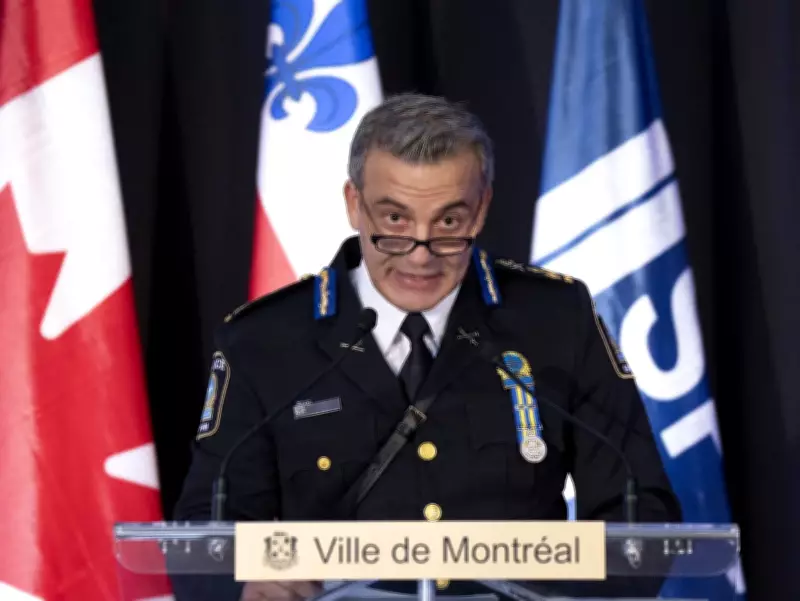
For years, Montreal has consistently ranked favorably in continental safety assessments, boasting lower rates of violent crime compared to many other large North American metropolitan areas. The city's infrastructure, community policing initiatives, and social programs have long been credited with contributing to this relatively secure environment. Police Chief Fady Dagher and his predecessors have often highlighted these achievements in public statements, pointing to data that underscores the city's protective framework.
A Growing Chasm in Public Sentiment
Despite these positive indicators, recent surveys and anecdotal reports suggest a palpable shift in the collective mood. Residents across various boroughs are expressing heightened concerns about safety in public spaces, on transit systems, and in their own neighborhoods. This rise in perceived insecurity is not isolated to any single demographic, affecting a broad cross-section of the population. Experts point to several potential contributing factors, including increased media coverage of isolated violent incidents, the lingering psychological effects of the pandemic on public space usage, and broader societal anxieties.

Analyzing the Disconnect
The gap between hard crime statistics and soft public sentiment is a phenomenon observed in other global cities. It raises critical questions about what truly defines safety for a community. Is it solely the absence of reported crime, or does it also encompass the feeling of being secure while walking home at night or using public transportation? This perceptual shift in Montreal may be influenced by highly visible issues such as the recent widespread outage on the Montreal Metro, which disrupts daily routines and can amplify feelings of vulnerability, even if such events are not directly linked to criminal activity.
The Path Forward for Urban Security
Addressing this rise in insecurity requires a multifaceted approach that goes beyond traditional policing. City planners, social service agencies, and community groups must collaborate to enhance what experts call "perceived safety." This can involve improved street lighting, more active and visible community patrols, public awareness campaigns that accurately contextualize risk, and investments in social cohesion programs. The goal is to align the lived experience of Montrealers with the city's strong safety record, ensuring that the feeling of security matches the reality.
As Montreal navigates this paradox, the situation serves as a case study for other Canadian cities. It underscores that urban safety is not just a matter of statistics but is deeply intertwined with public trust, community well-being, and the overall quality of urban life. The coming months will be crucial in determining how effectively the city can bridge this gap and restore a stronger sense of collective security among its populace.