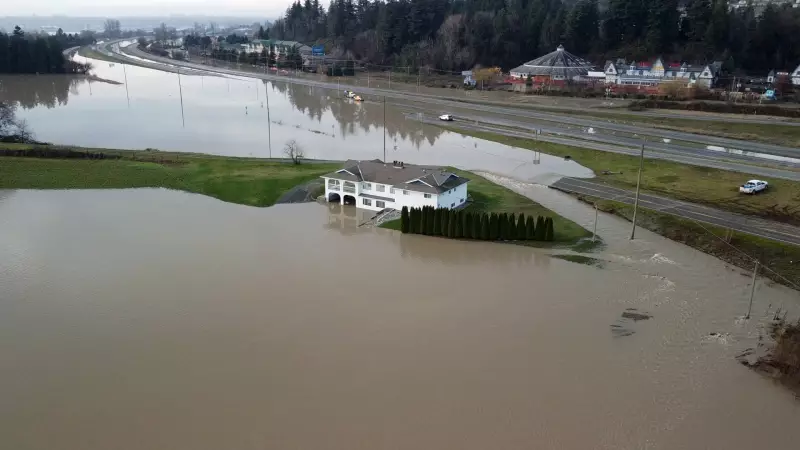
British Columbia's Premier David Eby is set to bring a critical issue to the national table, declaring that the province cannot shield itself from future climate disasters without substantial support from Ottawa. This move comes as the final evacuation orders and alerts related to recent flooding were lifted, marking a turning point from response to long-term prevention.
A Provincial Crisis with National Implications
Premier Eby framed the challenge of flood mitigation in British Columbia as a matter of national concern. He emphasized that while the immediate emergency has subsided, the underlying threat remains. The province requires a coordinated, federally-backed strategy and significant investment to build resilient infrastructure capable of withstanding increasingly severe weather events linked to climate change. Eby's commitment to discuss this with Prime Minister Justin Trudeau and his fellow premiers underscores a shift towards seeking collaborative, Canada-wide solutions for regional environmental crises.
The Path Forward: Collaboration and Investment
The premier's upcoming discussions will focus on securing federal partnerships and funding for large-scale mitigation projects. These could include enhanced dike systems, river dredging, watershed management, and improved floodplain mapping. The argument is that preventative investment on a national scale is more cost-effective and safer than repeated disaster response and recovery. Eby's stance highlights a growing recognition among provincial leaders that climate change impacts, such as catastrophic flooding, transcend jurisdictional boundaries and demand a unified national response.

This push for a national dialogue on flood mitigation follows a pattern of extreme weather battering the province, from atmospheric rivers to heat domes, putting immense pressure on local communities and provincial resources. The outcome of these high-level talks could set a precedent for how Canada manages and funds climate adaptation from coast to coast to coast.