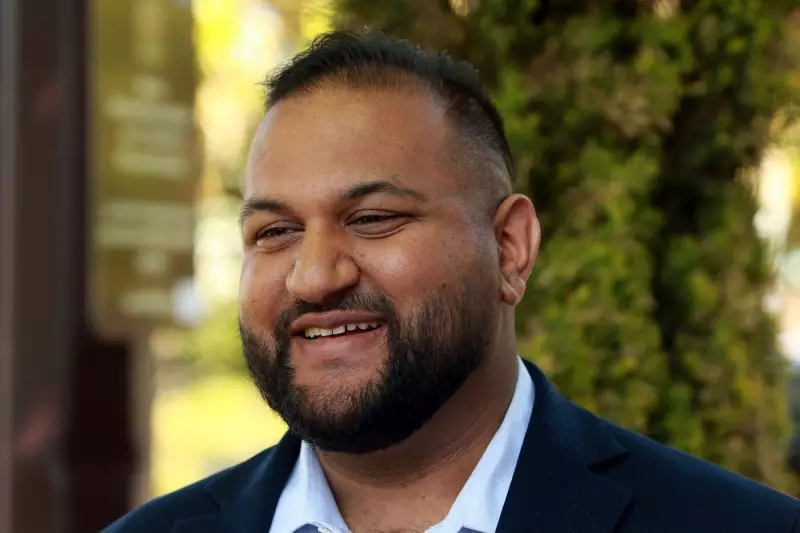
The British Columbia government is hitting the pause button on proposed amendments to the province's Heritage Act. The decision, announced by Minister Ravi Parmar, aims to facilitate a more extensive consultation process with communities, stakeholders, and First Nations.
Minister Announces Delay for Broader Input
Minister of Tourism, Arts, Culture and Sport Ravi Parmar stated that the government is postponing the implementation of changes to the act to ensure all voices are heard. The move follows initial feedback indicating a need for more comprehensive engagement on the sensitive topic of heritage conservation and regulation.
The proposed changes were intended to modernize the framework governing heritage sites and artifacts across the province. However, the ministry recognized that rushing the process could overlook critical perspectives from municipalities, heritage organizations, and Indigenous groups whose history and cultural assets are directly impacted by the legislation.

Seeking a Collaborative Path Forward
This postponement underscores the province's stated commitment to a collaborative approach in policy-making, particularly for laws touching on cultural identity and historical preservation. The additional time will be used to organize meetings, gather written submissions, and potentially hold public forums to discuss the nuances of the proposed reforms.
Heritage legislation often balances development pressures with the preservation of historically significant buildings, landscapes, and archaeological resources. Getting this balance right is crucial for communities throughout B.C., from major urban centres like Vancouver to smaller rural towns.
Next Steps and Implications
While a new timeline for introducing the amendments has not been specified, the ministry has committed to providing updates as the enhanced consultation phase progresses. The delay means existing heritage protection rules remain in effect until a revised bill is tabled in the legislature.
This decision is being watched closely by local governments, developers, and conservation advocates. The outcome of the consultations will shape how British Columbia manages its tangible history for years to come, affecting everything from downtown revitalization projects to the protection of ancestral Indigenous sites.