

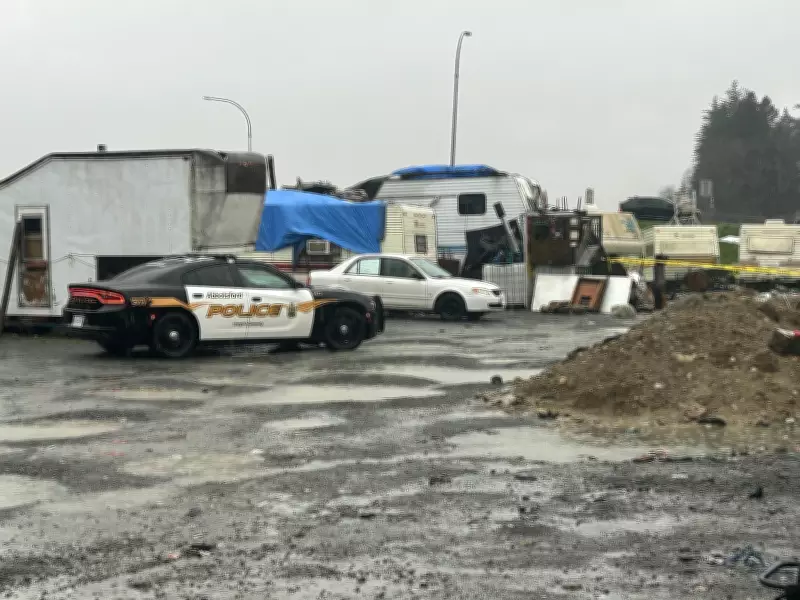
Abbotsford Homeless Camps on Provincial Land Raise Safety Concerns After Fatal Shooting
A tragic fatal shooting at a homeless encampment in Abbotsford has ignited urgent questions about the safety and oversight of these sites, particularly those situated on provincially owned land. The incident has brought to light the complex challenges faced by vulnerable residents and the communities surrounding these camps.
Escalating Criminal Activity in Homeless Encampments
Local reports and residents have noted a significant increase in criminal activities associated with the homeless camps in Abbotsford. These include drug trafficking, theft, and violent altercations, which have created an atmosphere of fear and instability. The recent shooting underscores the severe risks that both camp inhabitants and nearby neighborhoods are exposed to on a daily basis.
The presence of these camps on provincial land adds a layer of jurisdictional complexity, often leading to delays in response and intervention from authorities. This has resulted in a perceived lack of accountability and effective management, exacerbating the safety issues.

Provincial Ownership and Management Challenges
The fact that many of these camps are located on land owned by the provincial government raises critical questions about responsibility and action. Critics argue that the province has been slow to implement comprehensive strategies to address the root causes of homelessness while ensuring public safety.
"The provincial government must step up and take decisive action," said a community advocate. "These are not just isolated incidents; they are symptoms of a larger systemic failure to provide adequate housing and support services."
Efforts to manage the camps have often been reactive rather than proactive, with temporary measures failing to offer long-term solutions. This has led to a cycle of displacement and re-establishment of camps, further complicating the situation.
Impact on Vulnerable Residents and Community Relations
The homeless individuals living in these camps are among the most vulnerable in society, facing not only the threat of violence but also inadequate access to healthcare, sanitation, and social services. The fatal shooting has heightened their sense of insecurity, making it even more challenging for outreach workers to provide assistance.
Neighboring communities have expressed growing frustration over the perceived neglect and the impact on local safety and property values. This has strained relations between residents, homeless advocates, and government agencies, creating a polarized environment that hinders collaborative solutions.
Calls for Coordinated Action and Policy Reform
In response to the crisis, there are increasing calls for a coordinated approach involving provincial, municipal, and non-profit organizations. Key recommendations include:
- Enhancing security measures and regular patrols in and around the camps.
- Accelerating the development of affordable housing and supportive living facilities.
- Improving access to mental health and addiction services for homeless individuals.
- Establishing clear protocols for managing camps on provincial land to prevent jurisdictional gaps.
The situation in Abbotsford serves as a stark reminder of the urgent need for holistic policies that address both immediate safety concerns and the underlying causes of homelessness. As debates continue, the hope is that this tragic event will catalyze meaningful change and better protection for all residents.






