In a stunning development that has sent shockwaves through European political circles, former European Union foreign policy chief Federica Mogherini has been taken into custody. The arrest, confirmed on December 3, 2025, represents the latest in a series of scandals to hit the supranational bloc.
Details of the Arrest and Political Fallout
Federica Mogherini, a prominent figure who served as the High Representative of the Union for Foreign Affairs and Security Policy from 2014 to 2019, was arrested by authorities. While specific charges from the arrest have not been immediately detailed in the initial report, the event underscores ongoing turbulence within EU institutions. The news broke at 12:19 PM Eastern Standard Time, according to The Associated Press.
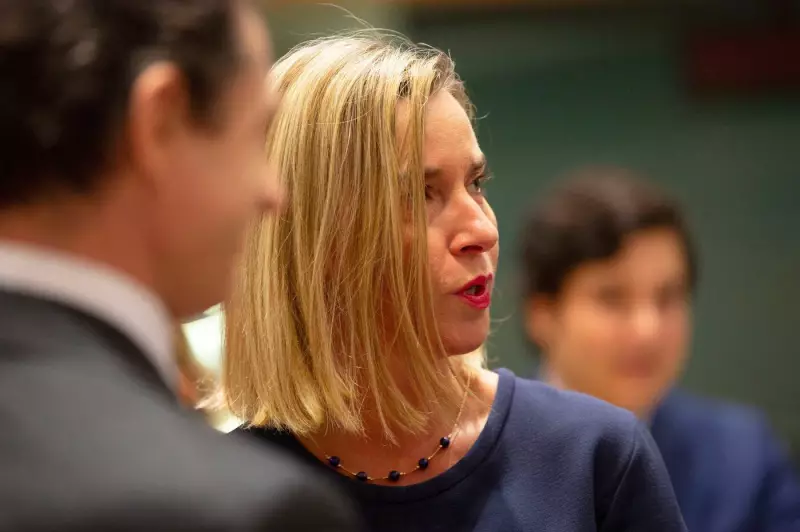
Mogherini was a central figure on the world stage during her tenure, representing the EU's collective foreign policy. A photograph from November 25, 2019, captured her in action during a meeting of EU foreign ministers at the EU Council building in Brussels, highlighting her once-influential role. Her arrest will inevitably lead to serious questions about governance and accountability at the highest levels of European diplomacy.

A Bloc Reeling from Controversy
This incident is described as the "latest scandal to hit the bloc," indicating it is part of a troubling pattern for the European Union. Political observers note that such high-profile legal actions against former top officials can severely damage public trust in transnational institutions. The arrest threatens to overshadow current EU policy agendas and may fuel existing eurosceptic sentiments across member states.
The timing is particularly sensitive as the EU continues to navigate complex international challenges. The lack of immediate public details regarding the precise allegations only adds to the climate of speculation and concern surrounding the case.
Implications for European Politics
The detention of a former foreign policy chief is unprecedented in modern EU history. It signals a potentially aggressive new phase in judicial scrutiny of the bloc's political elite. Analysts will be watching closely to see if this case is isolated or the precursor to wider investigations.
The fallout from this arrest is likely to be extensive, potentially affecting diplomatic relationships and internal EU cohesion. It raises immediate questions about the vetting processes for top officials and the mechanisms for oversight once they leave office. The story continues to develop, and further details regarding the formal charges and legal proceedings are awaited.