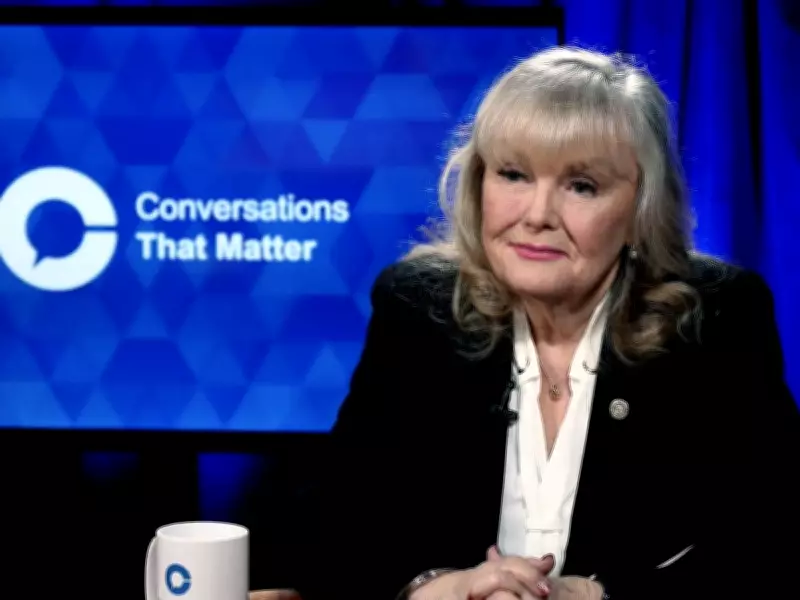
Kerry-Lynne Findlay has emerged as the new leader of the British Columbia Conservative Party after a closely contested leadership race that concluded this weekend. Her victory, achieved through a ranked ballot system, came after four rounds of voting, with Findlay securing 51 percent of the redistributed vote. She narrowly defeated Caroline Elliott, an academic and political commentator, who garnered 49 percent.
A Divided Party
The leadership race highlighted deep divisions within the party. Findlay, a former federal Conservative MP and cabinet minister under Stephen Harper, ran as a "true blue" candidate, emphasizing cultural conservatism and establishment credentials. In contrast, Elliott represented a younger, populist wing focused on cultural identity, affordability, and generational fairness. Other candidates, including Peter Milobar and Ian Black, represented the centrist business wing, while Yuri Fulmer promised a power-sharing deal with the hard-right One BC party.
Findlay's Strengths
Findlay's extensive experience in federal politics, including her role as party whip under Pierre Poilievre, positions her as a seasoned leader. She argues that economic policies alone cannot address the province's challenges and advocates for a broader restoration of values, including criticisms of radical Indigenous reconciliation and gender ideology.

Elliott's Appeal
Elliott, despite never having held elected office, gained prominence through her conservative commentary, particularly on Indigenous reconciliation. Her campaign, run by experienced strategists from outside the province, out-fundraised competitors and received endorsements from major media outlets, positioning her as the front-runner for much of the race.
The Path Forward
Findlay's victory signals a win for establishment conservatism over centrism and millennial populism. However, to defeat the NDP in future elections, she must unite the party's factions. The challenge lies in bridging the gap between the culturally conservative wing and the centrist business wing, while also addressing the concerns of younger, populist voters.
If Findlay can successfully unite these groups, the NDP may face a formidable opponent in the next provincial election. The coming months will test her ability to lead a cohesive party and present a unified vision to voters.