Carney's Evolving Stance on U.S.-Israel Attack on Iran
Prime Minister Mark Carney's shifting positions on the U.S.-Israel attack on Iran and the subsequent peace deal illustrate the realities of diplomacy, according to a Postmedia editorial. Initially, on Feb. 28, Carney firmly supported the attack, stating that Canada supports the United States acting to prevent Iran from obtaining a nuclear weapon and reaffirms Israel's right to self-defense. However, days later, after criticism from some Liberal MPs, Carney adopted a “nuanced” position, saying he supported the attack “with regret” as it represented a failure of the international order. He also criticized the U.S. and Israel for not consulting the United Nations or allies, suggesting the attack might be inconsistent with international law.
G7 Endorsement of Peace Deal
Following the tentative peace deal, Carney joined other G7 leaders in endorsing the outcome, stating it was “worth it” if it prevents Iran, the world's leading state sponsor of terrorism, from obtaining a nuclear weapon. The editorial notes that while some may view Carney's shifts as two-faced, his response mirrored that of other European leaders who were initially critical of the attack but later supported its outcome at the G7.
Realpolitik and Middle Powers
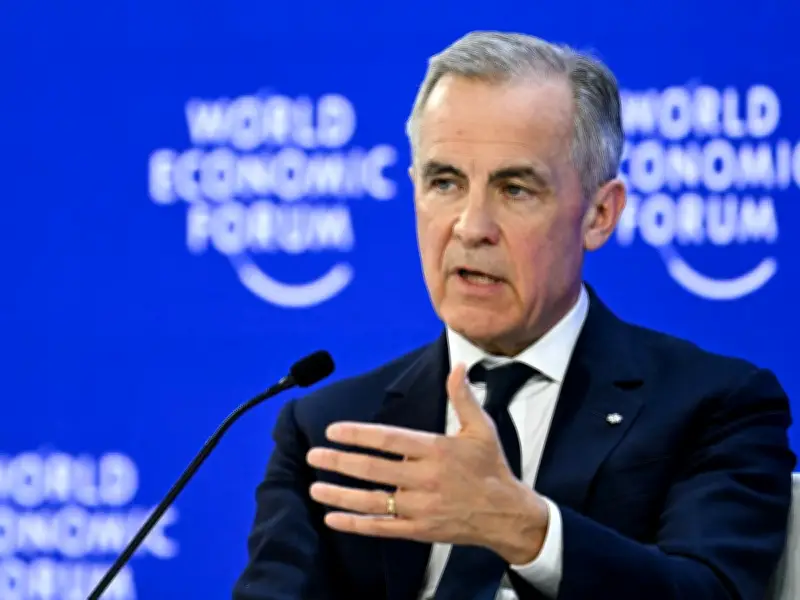
Carney's Davos speech called on middle powers to counter the domination of China, Russia, and the U.S., but the editorial argues that real-world events forced a pragmatic response. The other six G7 members—the UK, Germany, France, Italy, Japan, and Canada—had no choice but to endorse the U.S.-led action to maintain influence over the conflict's aftermath, especially as global oil prices surged. “When great powers act, middle powers always react in their own best interests,” the editorial concludes.