The recent conviction of drug trafficker Dennis Tyler Okeymow marks a significant shift in accountability for those who illegally sell firearms. Okeymow was found guilty by Court of King's Bench Justice John Little on 10 charges, including manslaughter with a firearm for the deaths of Edmonton police officers Brett Ryan and Travis Jordan, as well as 16-year-old Roman Shewchuk. The judge determined that Okeymow's illegal sale of the rifle used in the killings was a contributing cause of the deaths.
Details of the Case
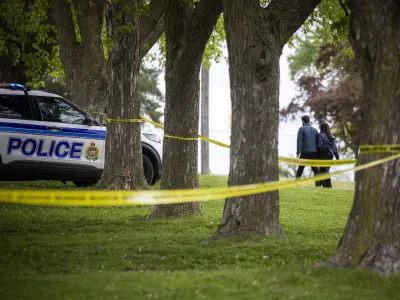
In late January or early February 2023, Okeymow sold a rifle to Shewchuk, a minor. On March 12, 2023, Shewchuk used the firearm to shoot and severely wound Pizza Hut worker Richard Albert. Just four days later, on March 16, 2023, Shewchuk fatally shot officers Brett Ryan and Travis Jordan, who were responding to a domestic complaint at his home. Shewchuk then shot his mother, Kateryna, causing serious injuries, before turning the gun on himself.
Legal Implications
Justice Little emphasized that the passage of time—six weeks between the sale and the shootings—did not absolve Okeymow of responsibility. He stated, "It was not necessary that Mr. Okeymow foresee at the time of the rifle transaction the precise harm that Mr. Shewchuk might cause. It was a reasonably foreseeable risk that the sixteen-year-old purchaser whose preference was a handgun would use the illegally obtained firearm and ammunition to cause harm to others."

Little also convicted Okeymow of criminal negligence causing death, noting that his conduct "constituted a marked and substantial departure from what a reasonable person would have done in the circumstances." The judge highlighted that firearms are inherently dangerous, designed to kill or wound, and that Okeymow supplied the weapon along with 80 rounds of ammunition to a minor living in an urban area who had expressed a need for a handgun.
Broader Significance
This ruling sends a strong message to those involved in the illegal firearms trade. The defence argued that legal causation should narrow responsibility to those who truly bear moral accountability, but Justice Little countered, "There is no moral innocence in the unlawful sale by Mr. Okeymow, a drug dealer, of a weapon to Mr. Shewchuk, as a drug user, who then used it to kill and injure others."
Legal experts suggest this case could lead to stricter enforcement and harsher penalties for illegal gun sales, potentially deterring future transactions that put firearms in the hands of dangerous individuals.