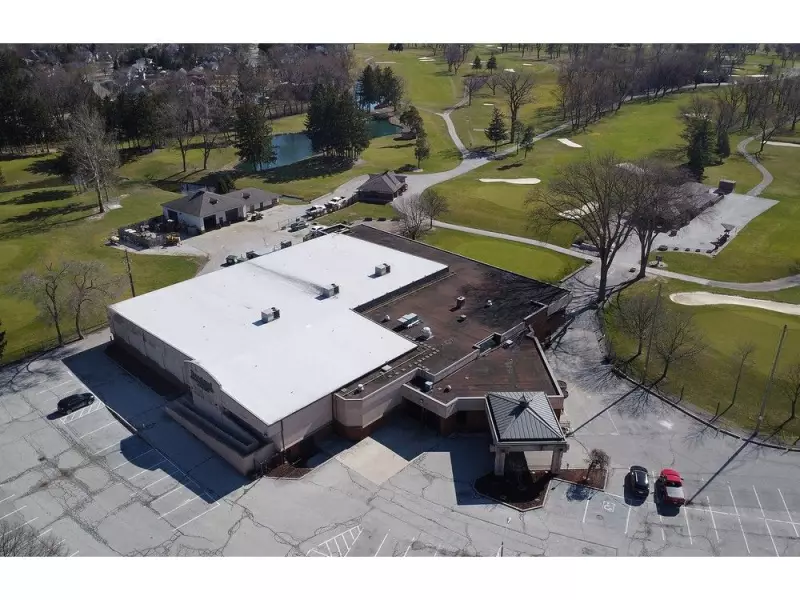
The City of Windsor is taking direct control of one of its premier recreational assets. City council has moved to dissolve the independent board governing the Roseland Golf and Curling Club, a decision that will see municipal departments assume full operational oversight by late next year.
Provincial Mandate Drives Municipal Takeover
This significant shift in management stems from changes to Ontario's Corp.'s Act, which requires all "social companies" under its purview to be dissolved by October 19, 2026. As the sole shareholder of Roseland Golf Club Limited, the Corporation of the City of Windsor is obligated to comply.
The council approved the "mandatory dissolution" of the club's board of directors during a closed-door session. The dissolution is scheduled to take effect on October 18, 2025. From that date forward, the city's Community Services Division—encompassing parks, recreation, and facilities—will be responsible for running both Roseland and the Little River Golf Course.

A Seamless Transition Promised for Staff and Patrons
City officials have moved quickly to assure the public that the change will not disrupt services. All services, amenities, and experiences at both golf courses will continue uninterrupted, according to the municipal announcement.
A key component of the transition involves staff. Employees currently working at Roseland and Little River will become direct employees of the City of Windsor. Operational direction and funding for the courses will now flow directly from city council through the Community Services department.
In a written statement, Windsor Mayor Drew Dilkens framed the move as following provincial requirements to "continue seamless operations at Roseland Golf Club, maintain transparency, and ensure the long-term success of our award-winning golf course."
Mixed Reactions from Council and the Outgoing Board
Not all council members supported the dissolution. Ward 1 Councillor Fred Francis, who has served on Roseland's board for 11 years, revealed he voted against the move. He argued that the provincial legislation actually gave council the option to reincorporate the board, albeit at a cost of several thousand dollars.
"I think there's value in a standalone board," Francis stated. "Roseland is turning a profit, year-over-year. It's self-sustaining, it's making money, and it's all due to the efforts of the general manager, the staff, and the independent, standalone board."
In contrast, Ward 8 Councillor Gary Kaschak, who chairs the Roseland board, struck a cooperative tone. He expressed his commitment to working with the city for a "seamless transition of operational oversight at Windsor's golfing gem."
"I know I speak for each member of the board when I say that we have been honoured to serve," Kaschak said in a statement, expressing confidence that the city would ensure a "strong, stable, and successful future" for Roseland.
The coming year will serve as a transition period, with the current board continuing to serve until its term concludes in October 2025, at which point the City of Windsor's direct management era will formally begin.