Toronto City Council Votes to Prohibit Foreign Flags at Civic Buildings
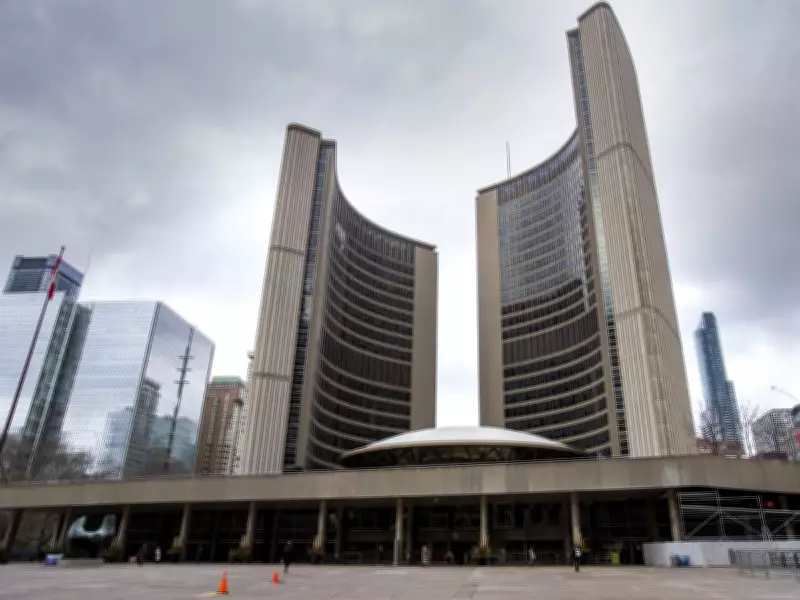
In a decisive move, Toronto City Council has approved a motion to end the practice of raising foreign national flags at City Hall and civic centres across the city. The vote, which took place on Thursday night, passed with a margin of 19 to 7, marking a significant shift in municipal protocol regarding international symbolism.
Details of the Motion and Its Amendments
The original motion, titled "One Country, One Flag; Celebrating the Canadian Flag," was introduced by Councillor John Burnside of Don Valley East and seconded by Michael Thompson of Scarborough Centre. It called for the immediate elimination of flying flags from other nations. However, during deliberations, the motion was amended to include "any flags which include the depiction of a foreign nation’s flag" and the effective date was postponed to December 1, 2026. This allows for previously scheduled flag raisings to proceed until that time.
Important exemptions to the ban include:

- Flags of Indigenous and Treaty partners
- The Intersex Pride flag and the Black Liberation flag
- Flags of professional sport organizations
- Flags of cities participating in Toronto’s International Alliance program
Notably, an initial provision to eliminate flags requested by non-profit or charitable organizations was removed prior to the final vote.
Council Debate and Dissenting Voices
The decision sparked considerable debate among council members. Councillor Lily Cheng voiced strong opposition, emphasizing Toronto's status as one of the world's most diverse cities. "Diversity is hard, and just because something is hard doesn’t mean we should shy away from it. In fact, we should embrace the difficulties, because that’s how we build trust and relationships," she stated during the session.
Cheng further expressed concern that the ban undermines the city's cultural tapestry, despite acknowledging safety and policing cost implications. Councillor Nick Mantas echoed these sentiments, arguing, "We’re basically penalizing 160 countries that we recognize in our city for a few groups. So I’m against the way that we’re going about this."
Precedent and Related Rulings
Toronto's action follows a similar ban enacted by Calgary City Council in December 2025, which passed by a narrow vote of 8 to 7. Calgary Mayor Jeromy Farkas commented at the time that foreign flags had become "symbols of hate and division," a sentiment that influenced the broader discussion in Toronto.
In a related development, Council Speaker Frances Nunziata ruled that a separate motion by Councillor Cheng to raise the pre-Revolutionary "lion and sun" flag of Iran at the North York Civic Centre was out of order. Nunziata determined that such a decision falls under federal jurisdiction, specifically Global Affairs Canada, as the flag is not recognized by the Canadian government.
Impact and Context
The flag ban represents a notable policy change for a city that has historically celebrated its multicultural identity through symbolic gestures. In 2026 alone, flags raised at City Hall have included those of Grenada, Kosovo, Saint Lucia, Estonia, and the Dominican Republic for their respective Independence Days, alongside flags for causes like mental health (Empower2Recover) and organizations like Scouts Canada.
This move raises questions about how municipalities balance security concerns, cost management, and the promotion of diversity. As Toronto implements this ban, it joins a growing list of Canadian cities reevaluating their protocols on international symbols in public spaces.