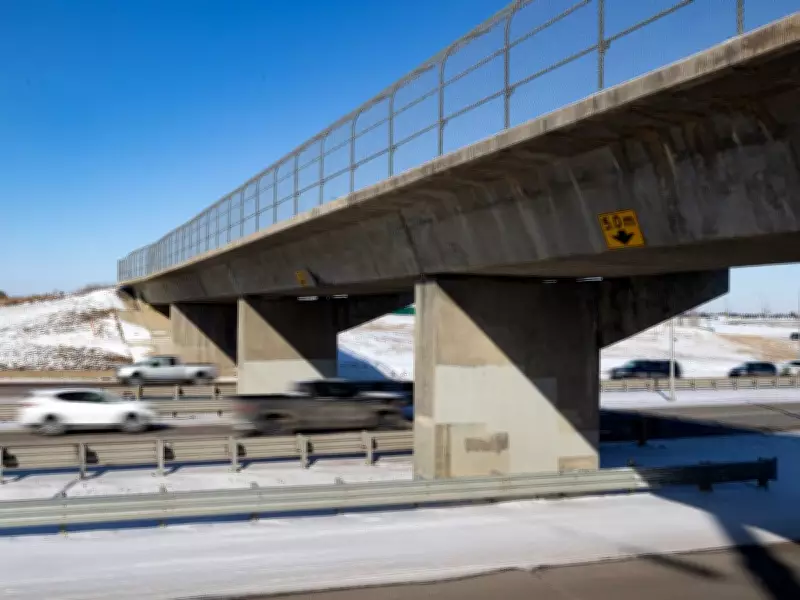
Saskatoon Overpass Collisions Prompt Council Action on Prevention Measures
In a concerning trend for Saskatoon's infrastructure, three separate overpass collisions have occurred this month alone, resulting in thousands of dollars in repair costs for the city. The incidents have prompted city councillors to question what additional measures can be implemented to prevent such damaging events from recurring.
Council Seeks Solutions to Prevent Costly Infrastructure Damage
During a Wednesday council meeting, city administration outlined the various steps currently being taken to address the issue. Councillor Zach Jeffries emphasized that the city is doing everything reasonably possible to "prevent people from doing stupid things" when it comes to overpass collisions.
The city's approach includes issuing fines, seeking restitution from responsible parties, working with insurance companies, and pursuing legal claims against drivers who cause damage to municipal infrastructure. "We're essentially saying 'dude, you owe us money' through the court system when necessary," Jeffries explained during the discussion.

Security Cameras and Cost Recovery Challenges
City administration revealed they are considering installing security cameras at overpass locations, particularly because some drivers who have struck these structures in the past have failed to stop at the scene. This measure would help identify vehicles and drivers responsible for collisions.
The issue of cost recovery for past overpass collisions presents significant challenges. City solicitor Cindy Yelland noted that while police can enforce charges under the Highways and Transportation Act, the fines established in that legislation are "ridiculously low" - just $200 for a first offence and $500 for subsequent violations.
Although recent changes to the city's Traffic Bylaw allow for higher charges against offenders, Yelland clarified that drivers cannot be charged under both the provincial act and the municipal bylaw simultaneously. She also explained that not all past overpass collisions have resulted in successful cost recovery, often due to disputes with insurance companies.
Trucking Industry Perspective and Permit Requirements
Thomas Archer, leadership, education and development specialist with the Saskatchewan Trucking Association, acknowledged that "this amount of strikes in such a short time is definitely something that doesn't happen that often." He noted that thousands of trucks travel through Regina and Saskatoon daily without incident.
Archer revealed that in at least two of the recent Saskatoon incidents, the drivers who crashed into overpasses did not possess the required permit to drive through the city. He explained that drivers need a permit when transporting loads exceeding 4.15 metres in height through Saskatoon, with these permits providing specific routes and guidance for navigating the city safely.
"While that's uncommon, there are people who move equipment around that aren't necessarily part of the trucking industry," Archer noted, suggesting that some incidents may involve operators outside the professional trucking sector.
Broader Context and Ongoing Frustration
The council heard that overpass collisions have been increasing across Canada, with other jurisdictions also exploring options to address the problem. Yelland expressed the administration's shared frustration with the recent trend, stating "We recognize this trend, and we're all frustrated with this trend."
One significant limitation in the city's response capabilities involves the non-recoverable costs associated with civic staff responding to overpass collision incidents. These operational expenses add to the financial burden created by the physical damage to infrastructure.
The March 6 incident involved a semi-truck traveling on Highway 11 that was too large to clear the overpass at Circle Drive and Highway 16, resulting in damage to the structure. This collision represents just one example of the costly infrastructure damage that has prompted the current council discussions about prevention and enforcement strategies.