Safety Concerns Emerge as Critical Obstacle to Downtown Revitalization
The Downtown Revitalization Coalition (DRC) has pinpointed a crucial factor that continues to evade city council, administration, and planners in efforts to rejuvenate the city centre. According to their recently released plan, the primary focus must shift toward a targeted approach to address persistent public disorder, which they identify as the main obstacle to creating a vibrant downtown.
Past Initiatives and Their Shortcomings
Over the past decade, city council has approved nearly $2 billion in taxpayer funds for various gimmicky solutions aimed at revitalizing the downtown area. These initiatives included renaming Rice Howard Way to the Entertainment District, permanently closing streets to develop an urban park known as Warehouse Park, and launching a multimillion-dollar Meet Me Downtown advertising campaign that has largely faded from public memory.
Additional efforts involved reducing public parking availability and constructing a $170-million events centre in the fan park east of Rogers Centre. Despite these substantial investments, the coalition argues that none of these measures have effectively tackled the underlying issues of decay and vacancy plaguing the downtown core.

The Core Issue: Public Safety and Disorder
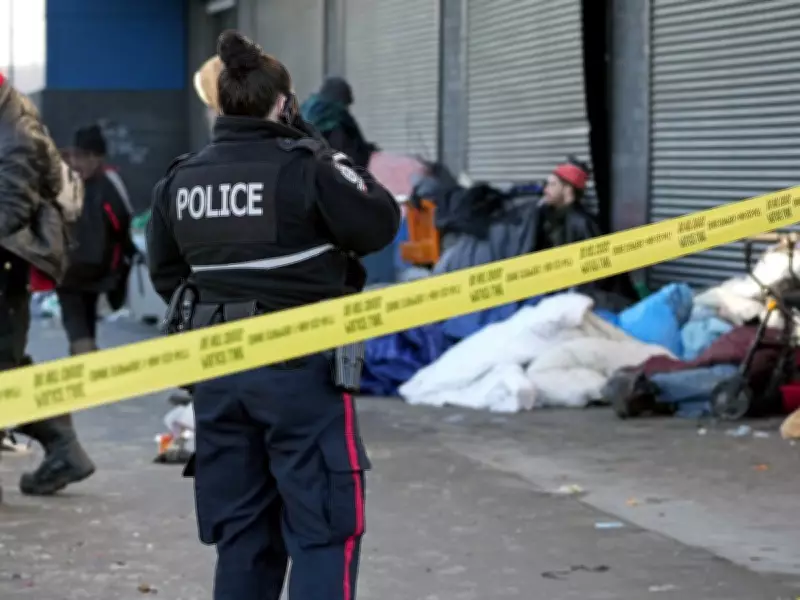
The DRC emphasizes that until the city confronts street crime, transit crime, and general disorder, no amount of infrastructure spending or urban planning will yield meaningful improvements. Visitors from the suburbs and office workers returning to the core often encounter unsettling scenes, including addicts openly using drugs on street corners, heaps of human feces on sidewalks, aggressive panhandling, and the looming threat of physical assault.
These safety concerns deter people from frequenting or residing in downtown areas, undermining revitalization efforts. The coalition stresses that addressing these issues is not just a matter of aesthetics but a fundamental prerequisite for any successful urban renewal.
Recent Incident Highlights Ongoing Dangers
A stark example of the safety challenges occurred on March 1, when two Edmonton police officers and a transit peace officer were patrolling the downtown underground LRT. At the Corona LRT station, they observed a man openly drinking and approached him. The situation escalated when the man pulled a knife and attacked the officers.
It was later revealed that the same individual had previously robbed a nearby liquor store at knifepoint. Police Inspector John Morrison commented on the incident, stating, "This incident serves as a stark reminder of the dangers all levels of law enforcement face on a daily basis." While no injuries were reported, the event underscores the pervasive risks in public spaces.
Implications for Future Planning
The city has plans to allocate $88 million for infill infrastructure downtown in the coming years, including affordable housing and condominium developments. However, the DRC warns that without first addressing public safety concerns, such investments are unlikely to reverse the decline. They argue that one serious incident, particularly a fatal one, can negate years of careful planning and financial expenditure.
The coalition's report calls for a reevaluation of priorities, urging city officials to implement measures that directly combat disorder and enhance safety. By doing so, they believe Edmonton can create a downtown environment that attracts residents, businesses, and visitors, ultimately fostering genuine revitalization.
In summary, the Downtown Revitalization Coalition's findings highlight that safety is not merely a peripheral issue but the central barrier to downtown renewal. Their targeted approach aims to shift focus from costly, superficial solutions to addressing the root causes of public disorder, paving the way for a safer and more vibrant urban core.