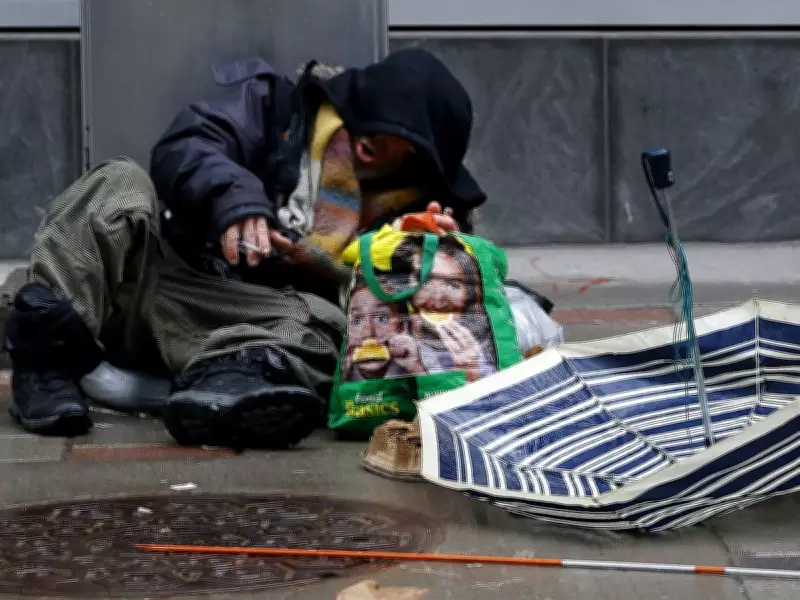
Ottawa's New 10-Year Homelessness Plan Faces Familiar Shortcomings
Ottawa has unveiled yet another 10-year plan to address homelessness, marking the third such decade-long strategy since 2014. This latest initiative, spanning from 2026 to 2036, arrives amidst growing skepticism about the city's ability to deliver lasting solutions to its housing crisis.
A Pattern of Unfulfilled Promises
The city's track record reveals a concerning pattern: each "10-year" plan has lasted approximately half its intended duration. The 2014-2024 plan was replaced by the 2020-2030 strategy, which is now being superseded by the current 2026-2036 framework. This constant reshuffling raises questions about accountability and long-term commitment to addressing homelessness effectively.
Provincial regulations mandate that every municipality must maintain a 10-year homelessness plan under the Housing Services Act of 2011. While this requirement aims to ensure systematic approaches, critics argue it has led to bureaucratic exercises rather than meaningful progress.

Ambitious Goals, Mixed Results
The outgoing 2020-2030 plan established comprehensive targets that included:
- Creating 5,700 to 8,500 affordable housing options
- Ensuring 10% of new units as supportive housing
- Designating 10% of new units as accessible housing
- Eliminating unsheltered homelessness entirely
- Reducing chronic homelessness by 100%
- Decreasing overall homelessness by 25%
According to the 2024 progress report, the city performed adequately in creating new affordable housing units and preserving existing community housing. However, the plan failed dramatically in several critical areas:
- New people entering homelessness increased significantly instead of decreasing by 25%
- Chronic homelessness reduction targets were not met
- Overall homelessness numbers failed to decline as projected
- Targeting housing to low-income individuals proved particularly challenging
The New Strategy: Aspirational but Vague
The 2026-2036 "plan refresh" introduces several positive changes, including redefining affordable housing based on income rather than market conditions and incorporating lived experience into decision-making. The commitment to creating a public data dashboard represents a potential step toward greater transparency.
However, the new plan has drawn criticism for replacing specific, measurable outcomes with vague, aspirational goals. Statements like "Housing system coordination is increased to support transitions to different housing options" lack the concrete targets that would enable meaningful accountability.
Beyond Bureaucratic Exercises
The fundamental challenge remains: despite repeated planning exercises and strategy updates, Ottawa continues to struggle with reducing actual homelessness numbers. Each new plan brings improvements in governance structures and consultation processes, but the core metric—people without homes—shows insufficient progress.
As the city embarks on its latest decade-long journey, advocates emphasize that true success must be measured not by bureaucratic achievements but by tangible reductions in homelessness. The human cost of inadequate housing demands solutions that prioritize outcomes over process, with accountability mechanisms that ensure plans translate into real-world improvements for Ottawa's most vulnerable residents.