Ottawa Shifts Housing Strategy Midway Through Current 10-Year Plan
More than halfway through its existing decade-long housing strategy, the City of Ottawa is proposing a significant pivot in its approach to tackling the ongoing housing crisis. A joint planning and housing committee is set to present a motion on Tuesday, March 24, recommending that city council approve what officials are calling a "refreshed" 10-year Housing and Homelessness Plan. The notable detail? This new proposal would replace the current plan, which was originally scheduled to remain in effect until 2030.
Why the Change in Tactics?
The decision to revise the housing strategy stems partly from new national data that provides clearer insights into homelessness across Canadian communities. The Point-in-Time (PiT) Count, a tool that captures a snapshot of homelessness at specific moments, helps track both the annual number of individuals experiencing homelessness and their demographics every three years. Following the 2024 tri-annual survey, city officials recognized the need for an updated approach.
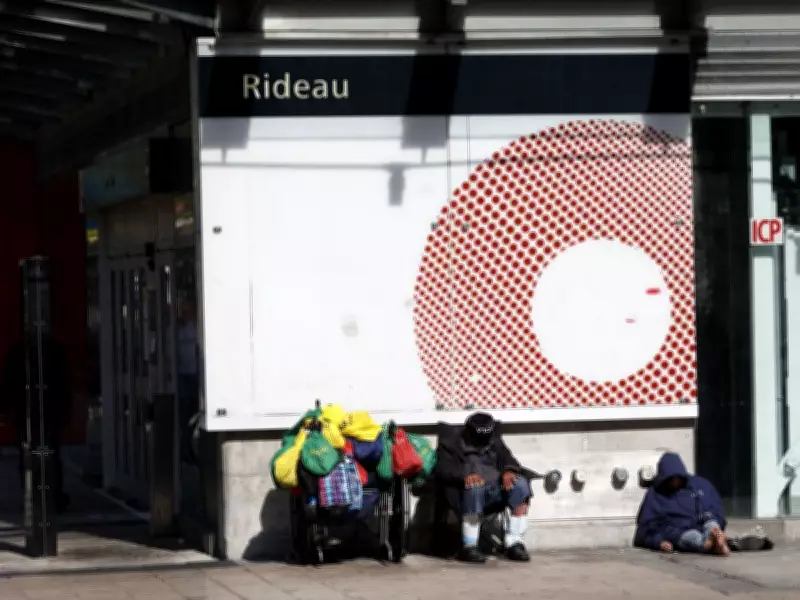
The 2024 PiT Count revealed that 2,952 people were experiencing homelessness in Ottawa, compared to 2,612 in 2021, marking a concerning 13 percent increase. Additionally, the survey showed that the percentage of unsheltered individuals or those living in encampments rose from 11 percent in 2021 to 16 percent in 2024. A city report noted that despite progress over the past five years, "there is still a growing need in the community," and much has changed since council initially approved the original plan in July 2020.

Progress and New Directions
Under the current plan, Ottawa has made some headway, adding 765 affordable homes to the housing landscape over the past five years. This includes 430 newly constructed homes and 335 existing affordable units. However, the proposed new plan aims to build on this foundation with a more comprehensive strategy.
The refreshed mandate retains the three main priorities from the previous plan:
- Ensuring everyone has a home
- Providing necessary support to individuals
- Fostering collaborative efforts across sectors
But it expands significantly with a long-term vision, six guiding principles, three overarching priorities, seven specific goals, and 18 detailed objectives. The plan emphasizes addressing the "housing and homelessness spectrum" for residents with low to moderate incomes, focusing on both immediate needs and sustainable solutions.
Implementation and Collaboration
The new strategy includes annual plans to deliver short-term projects, alongside efforts to preserve existing community housing stock and prevent further housing loss. Success will require coordinated efforts between the city and various housing and homelessness partners throughout Ottawa, highlighting the importance of a unified approach to this complex issue.
As the city prepares for this potential shift, the proposal reflects an adaptive response to evolving data and community needs, aiming to create a more effective framework for addressing homelessness and housing affordability in the years ahead.