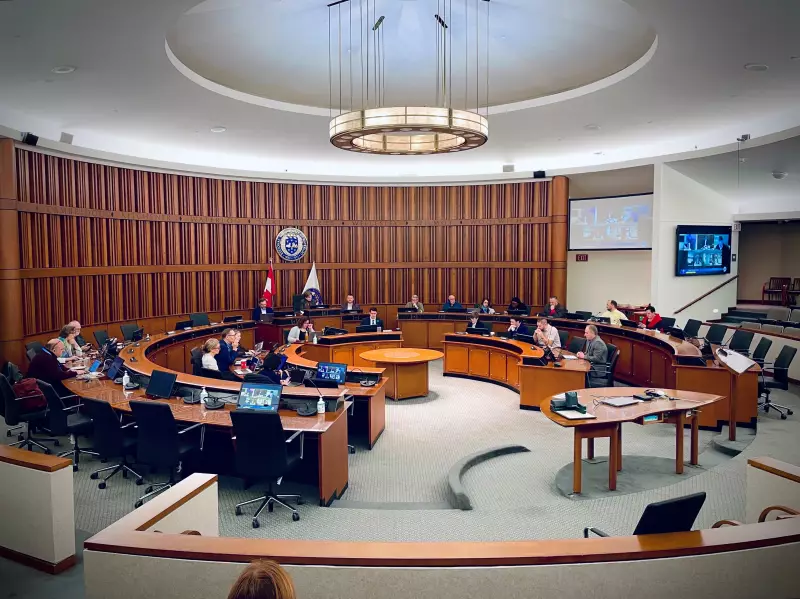
Kitchener City Council has formally approved a series of amendments to the Region of Waterloo's proposed encampment bylaw. The decision, made on January 09, 2026, follows a public feedback session that one councillor described as featuring "unacceptable" behaviour from some attendees.
Contentious Public Meeting Precedes Vote
The council's vote came after a feedback meeting for the proposed bylaw that exposed deep divisions within the community. During that session, a Kitchener councillor publicly called out conduct they deemed inappropriate, highlighting the intense emotions surrounding the issue of managing homeless encampments in public spaces. The proposed bylaw aims to establish clear regional regulations on where encampments can and cannot be located, balancing public safety with the rights of unhoused individuals.
Details of the Approved Amendments
While the specific text of the approved amendments was not detailed in the initial report, the council's move signals a step toward finalizing regional rules. The bylaw is expected to address critical issues such as permissible distances from schools and infrastructure, sanitation requirements, and protocols for enforcement and relocation. The Region of Waterloo, which includes Kitchener, Cambridge, and Waterloo, has been grappling with a visible increase in encampments as housing affordability and availability crises intensify.

Broader Context and Next Steps
This local policy development occurs against a national backdrop of similar challenges in Canadian municipalities. The council's approval forwards the amended bylaw to the regional government for further consideration. Advocates for the homeless urge that any enforcement be coupled with meaningful investments in affordable housing and support services, warning that bylaws alone cannot solve the underlying crisis. The region must now weigh this local input as it moves toward a final decision that will affect all its constituent cities and townships.
The outcome of this process will be closely watched, setting a precedent for how Waterloo Region manages public spaces and supports its most vulnerable residents in the years to come.