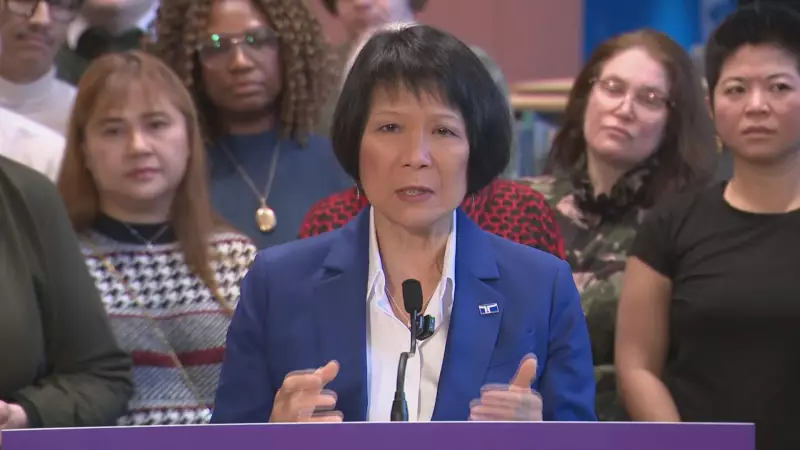
Toronto Mayor Olivia Chow presented the city's financial plan for 2026 on Thursday, January 8, framing it as a budget designed with residents' cost of living in mind. The announcement, made in the morning, was followed by further details and analysis throughout the day.
Core Focus: Easing the Cost of Living
The central theme of the 2026 fiscal plan is affordability, a direct response to the financial pressures facing many Torontonians. Mayor Chow's administration has positioned this budget as a strategic effort to balance necessary city investments with the economic realities of its citizens.
While the full, detailed breakdown of spending and revenue is still being analyzed, the mayor's emphasis signals a budget that aims to limit increases in the cost of city services and potentially introduce new supports. The goal is to mitigate the impact of inflation and other economic factors on household budgets.

Expected Impacts on Residents and Services
The budget will directly influence several key areas of municipal responsibility. Property taxes, a major source of city revenue, are a primary point of interest. The administration's affordability lens suggests a push to keep any increase as low as possible, though the exact rate will be a subject of council debate.
Funding for public transit (TTC), community housing, and social services is also under the spotlight. Investments here are crucial for affordability, as they provide lower-cost transportation and housing options. The budget's allocations will reveal the city's priorities in maintaining and expanding these essential supports.
Other areas affected include:
- Fees for recreational programs and permits.
- Funding for road maintenance and public safety.
- Investments in parks and public libraries.
Next Steps and Public Scrutiny
The budget release on January 8, 2026, marks the beginning of a public consultation process. Council committees will review the document in detail, and residents will have opportunities to provide feedback before a final vote by City Council.
The challenge for the mayor will be to maintain the promised affordability while ensuring the city can fund its growing infrastructure needs and service demands. This budget sets the stage for Toronto's financial direction in a year where economic uncertainty remains a concern for many.
As the debate unfolds, the true impact of the "affordable budget" on Torontonians' pocketbooks will become clearer, defining Mayor Chow's fiscal approach for the year ahead.