Montreal's civic landscape sees a familiar face taking on a significant new leadership role. Luc Rabouin, a prominent figure known for his recent bid in the city's mayoral race, has been appointed as the President and Chief Executive Officer of the Foundation of Greater Montreal (FGM). The announcement was made public on January 9, 2026.
From Campaign Trail to Community Leadership
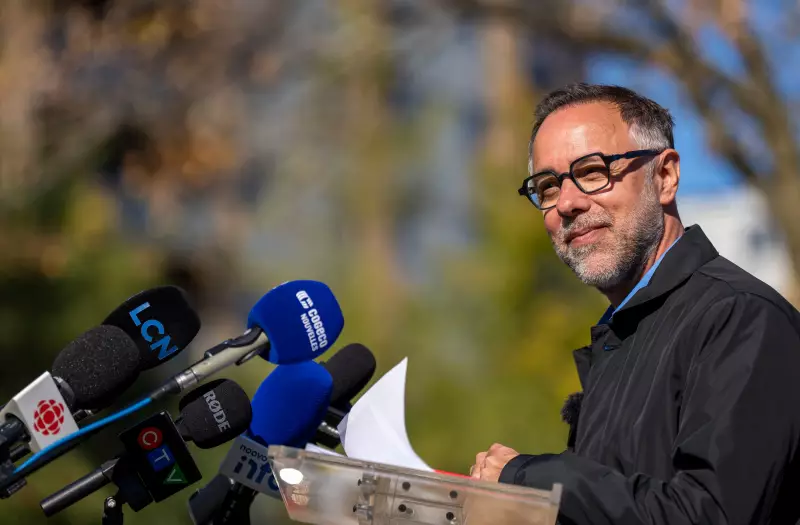
Rabouin's transition to leading one of the city's key philanthropic institutions marks a notable shift from electoral politics to community-focused stewardship. He was an active candidate in the Montreal mayoral election held on November 2, 2025. A photograph from his campaign, taken on October 17, 2025, by The Canadian Press, captured him speaking at a campaign stop, highlighting his direct engagement with citizens on municipal issues.
While his political aspirations did not culminate in the mayor's office, his deep understanding of Montreal's challenges and opportunities is now being channeled into guiding the FGM. The foundation plays a crucial role in mobilizing community philanthropy, managing donor-advised funds, and granting millions to local charities and initiatives annually.

The Mandate Ahead for the Foundation
As the new President and CEO, Rabouin will be tasked with steering the foundation's strategic vision. His mandate will likely involve strengthening community partnerships, addressing pressing social issues through targeted grants, and encouraging philanthropic investment in Greater Montreal's future. The FGM focuses on a wide array of sectors, including education, arts and culture, environment, and social inclusion.
His experience in public discourse and policy during the municipal election campaign provides him with a grounded perspective on the needs of Montreal's diverse neighbourhoods. This insight is expected to be invaluable in aligning the foundation's work with the most urgent community priorities.
Implications for Montreal's Civic Future
Rabouin's appointment signals a continued commitment to public service, albeit in a different capacity. It bridges the gap between political leadership and the non-profit sector, emphasizing that shaping a city's future happens through multiple channels. His leadership at the FGM is poised to influence the direction of private and community funding for years to come, supporting grassroots organizations that are essential to the city's social fabric.
This move also underscores the fluid nature of leadership in Canadian cities, where experienced individuals often transition between public, private, and community roles to contribute their expertise. For Montrealers, it means a seasoned advocate for the city is now at the helm of a major philanthropic engine, tasked with fostering resilience and innovation across the metropolitan region.