First Nations Leaders Demand Urgent Highway Safety Improvements After Fatal Crashes
First Nations leaders across Ontario are issuing a powerful call for immediate government intervention to address what they describe as a "worrying trend" of deadly highway collisions in northern regions. This urgent appeal follows a string of recent fatal crashes that have highlighted critical safety concerns on remote roadways.
A Pattern of Tragedy on Northern Highways
The Chiefs of Ontario organization has formally demanded that provincial authorities take concrete steps to improve transportation infrastructure and implement enhanced safety measures. These leaders emphasize that the current situation represents a public safety crisis disproportionately affecting Indigenous communities and northern residents who rely on these highways for essential travel, medical access, and economic activities.
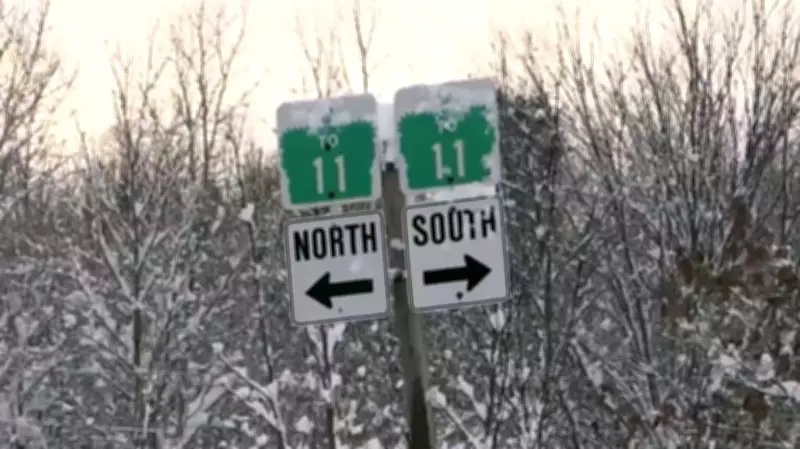
While specific details about the recent crashes weren't provided in the original report, the collective call from First Nations leadership underscores a broader pattern of infrastructure neglect in remote areas. Northern Ontario's highways often face unique challenges including harsh weather conditions, limited maintenance resources, and long distances between emergency services.

The Human Cost of Infrastructure Gaps
Community leaders argue that these tragedies are not isolated incidents but rather symptoms of systemic underinvestment in northern transportation networks. The emotional and practical toll on families and communities who have lost loved ones in these crashes has reached a breaking point, prompting this organized demand for accountability and action.
The safety concerns extend beyond immediate crash response to encompass broader issues like road design, winter maintenance standards, lighting, signage, and emergency communication systems in remote areas. First Nations representatives are calling for a comprehensive review of highway safety protocols and a commitment to implementing evidence-based improvements.
Government Response and Next Steps
As this call to action gains momentum, attention now turns to how provincial authorities will respond to these legitimate safety concerns. The demand comes at a time when infrastructure investment and Indigenous relations remain prominent policy discussions across Canada.
The situation highlights the ongoing tension between urban-centric infrastructure planning and the needs of rural and northern communities. First Nations leaders are positioning highway safety not merely as a transportation issue but as a matter of equity, accessibility, and basic human rights for those living in remote regions.
With winter driving conditions posing additional risks in northern climates, the timing of this appeal adds urgency to the conversation. Community advocates emphasize that every day without meaningful safety improvements represents continued risk for travelers on these essential northern routes.