Peru's presidential runoff election is being overshadowed by a dramatic surge in extortion and killings that have spread fear across the nation. The violence, which has escalated in recent months, is affecting both urban and rural areas, with criminal gangs targeting businesses, public transport, and even political figures.
Extortion and Violence on the Rise
According to local authorities, extortion demands have become increasingly common, with small business owners and farmers often forced to pay 'protection money' or face violent consequences. The number of homicides linked to organized crime has also spiked, with many victims found shot in remote areas.
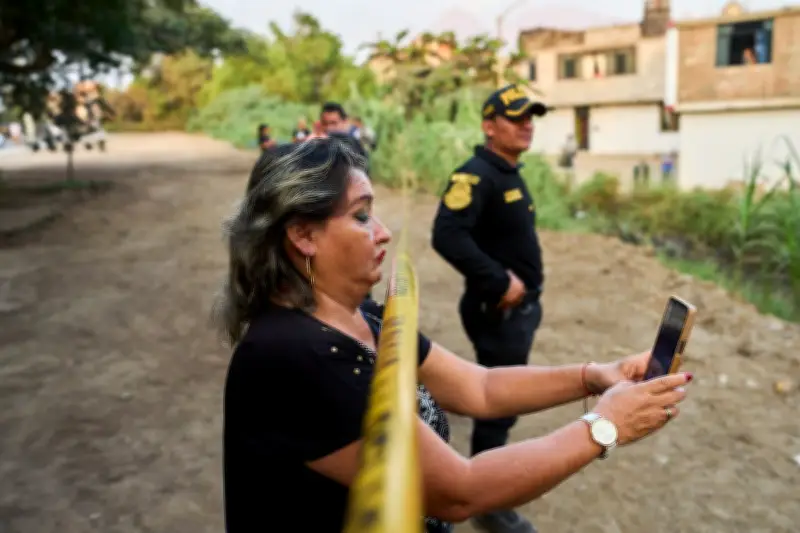
In the coastal city of Trujillo, police recently recovered the body of Jose Perez from a ravine, where he had been shot. Neighbors recorded the scene with their cellphones, a grim testament to the normalization of such violence.

Political Implications
The runoff election, scheduled for later this month, pits two candidates with starkly different visions for addressing crime and corruption. However, many voters express disillusionment, fearing that neither candidate can restore order. Analysts warn that the violence could deter voter turnout, particularly in regions most affected by criminal activity.
International observers have also raised concerns about the integrity of the electoral process, as reports of intimidation and bribery circulate. The Peruvian government has deployed additional security forces to polling stations, but experts question whether these measures will be sufficient.
Economic and Social Impact
The surge in violence has taken a heavy toll on Peru's economy, with many businesses closing early or relocating to safer areas. Tourism, a key sector, has also suffered as foreign visitors avoid regions with high crime rates. Community leaders have called for urgent action, including tougher penalties for extortion and better protection for witnesses.
As the election approaches, the atmosphere in Peru remains tense. Citizens are hopeful for change but skeptical that the next government can deliver the safety and stability they desperately need.