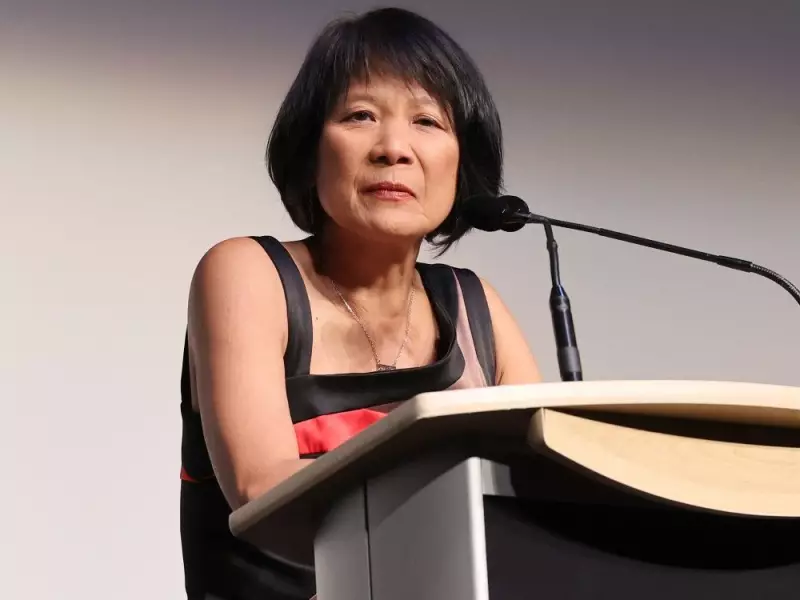
Toronto Mayor Olivia Chow is poised to enter a critical election year with a proposed city budget featuring a significantly lower property tax increase than in previous years. The move is widely seen as the unofficial start of the 2026 mayoral campaign.
A Strategic Shift in Tax Policy
Mayor Chow will introduce her proposed budget on Thursday, January 7, 2026. The plan calls for a 0.7% property tax hike, combined with the annual 1.5% city building fund levy, resulting in a combined tax increase of 2.2%. This marks a dramatic departure from her first two budgets, which delivered some of the heftiest increases in recent memory: a 9.5% hike in 2024 followed by a 6.9% increase in 2025.
In a statement, Chow framed the modest proposal as a response to residents' financial pressures. "I hear from Torontonians every day about the stress they feel trying to keep up with the rising cost of living," she said. "After paying rent or your mortgage, groceries and all your bills, there’s not much left at the end of the month."

Political Calculations and Past Increases
Observers note the timing is deeply political. If approved, the 2.2% increase would be the lowest since 2021. The only lower hike in the past decade was under former Mayor John Tory in 2016. However, Chow's tenure has been defined by substantial rises in the cost of city government. Since taking office in mid-2023, homeowner tax bills have already increased by 17%. This new proposal would bring the cumulative total to approximately 20% over her term.
Beyond property taxes, the Chow administration has implemented a series of other revenue-generating measures, including:
- Hiking parking fees and fines.
- Increasing water and solid waste rates by 25%.
- Raising the municipal land transfer tax on homes over $3 million.
- Boosting the vacant homes tax and the tax on foreign buyers of residential property.
This record leaves critics skeptical of her sudden embrace of fiscal restraint. "There isn’t a tax or fee increase that Olivia Chow doesn’t like – until it comes to an election year," the analysis notes.
The Unofficial Start of the 2026 Mayoral Race
While Chow has not formally announced her re-election plans, hinting she may not run, few in political circles believe she will bow out. Her strategy of delaying an announcement mirrors a tactic used by John Tory in past campaigns.
The budget presentation is technically the "staff budget," reflecting city administration priorities. However, the proposed low increase is seen as a clear political document shaped by the mayor's office for the upcoming campaign.
Potential rivals are already gearing up. Former Mayor John Tory has been spotted at events typical for a candidate testing the waters. Councillor Brad Bradford, who announced his mayoral bid in October 2025, is expected to campaign on the cumulative tax burden. He can point out that over the last five years under both Tory and Chow, total tax bills for homeowners will have risen by 34%, far outpacing the Bank of Canada's reported inflation rate of 7.4% for the same period.
Thursday's budget unveiling is therefore more than a fiscal plan; it is the opening salvo in the battle for Toronto's next mayor, setting the stage for a campaign where taxation and affordability will be central issues.